
Why smaller Australian cities are so popular for workers right now
SHARE THIS ARTICLE
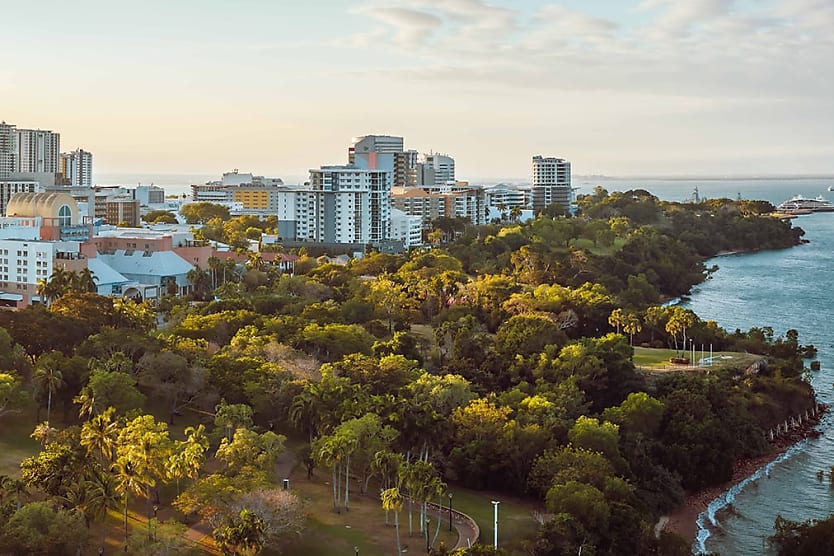
LinkedIn research shows that workers are leaving the big cities in droves in search of better employment and lifestyle opportunities in locations like Hobart and Darwin, as Australia’s employment cities on the rise are named.
Candidates are looking beyond the country’s biggest hubs for career opportunities and a better quality of life, with Hobart being named Australia’s fastest-rising city for employment.
According to LinkedIn’s first Australian Cities on the Rise listing, both emerging metro areas are seeing ongoing population and employment growth, while regional centres are also gaining momentum.
In descending order, Hobart is followed by Darwin, Rockhampton, Newcastle, Adelaide, Albury-Wodonga, Brisbane, Gold Coast, Canberra, and Wollongong as the 10 Australian cities seeing the highest growth, the greatest volume of new job openings, and the biggest rate of talent migration.
The trend comes at a time when more than 80 per cent of professionals feel unprepared to find a job, fuelling consideration of other locations that may offer tighter labour market conditions, affordability, while not compromising on wellbeing, flexibility, and overall lifestyle.
Dante St James, entrepreneur and LinkedIn top voice, explained that young professionals are finding Darwin provides “a faster rise through the corporate ladder than more competitive and larger cities – as well as getting access to work in more advanced fields sooner – and with considerably higher pay due to the difficulties that the Territory often has for attracting skilled professionals”.
These considerations are fuelling an ongoing trend among younger professionals, as the cost-of-living crisis continues to eat into city affordability, as reported on HR Leader’s sister brand, REB.
St James also explained the lifestyle perks that the region can offer over more populated capital cities, such as a lack of heavy traffic, more affordable and available parking, and shorter commutes, which, he explained, allow for “more time for family, friends, exercise, study, and hobbies”.
And with an ongoing wellbeing crisis in full swing, these benefits are presenting themselves at exactly the right time for many burnt-out workers, with recent research revealing that 92 per cent of surveyed Australian employees reported fatigue in the past year alone.
In the same vein, Business Greater Hobart chair Edwin Johnstone explained that Hobart “offers the chance to build a career or business while remaining closely connected to the community … [it is] small enough for people to make a difference and large enough for their ideas to have a real impact”.
LinkedIn career expert Brendan Wong said: “Beyond salary, factors like affordability, career progression, workplace flexibility, and overall quality of life are becoming just as important in determining whether a relocation is truly worthwhile.”
Smaller capital cities also offer a range of public sector jobs not always available in Australia’s hubs, according to St James. As a flow-on effect, this may mean gaining a role or title earlier in a career than would be expected elsewhere.
He noted that Darwin’s health, resources, and space sectors have all seen significant growth recently, adding: “We’re seeing the need for support staff in those emerging industries for those with specific skills that may not be applied in larger markets.”
St James also noted that regional centres have been regarded as less competitive places to gain permanent residency, with emerging industries in renewables, data centre infrastructure, and technology “drawing in a new generation of workers from interstate and overseas”.
He said: “Like anywhere in Australia, there are challenges finding workers, and in a remote place like Darwin, that problem is exacerbated. But for those coming out of graduate positions in other states, there are a lot of incentives to come to the Territory.”
RELATED TERMS
Employees experience burnout when their physical or emotional reserves are depleted. Usually, persistent tension or dissatisfaction causes this to happen. The workplace atmosphere might occasionally be the reason. Workplace stress, a lack of resources and support, and aggressive deadlines can all cause burnout.
 Want to see more stories from trusted news sources?
Make HR Leader a preferred news source on Google.


