
Sake-sharing chef satisfies unfair dismissal requirements, FWC finds
SHARE THIS ARTICLE
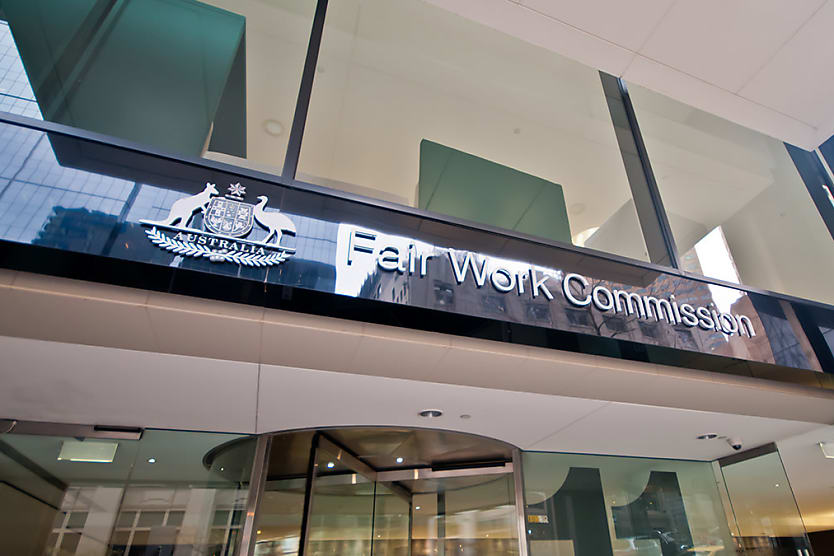
A recent decision in the Fair Work Commission is reinforcing the importance of professional boundaries – especially where friendship, small business, and alcohol are concerned.
Fair Work Commission (FWC) deputy president Judith Wright determined that a chef’s dismissal from Sydney Omakase was inconsistent with the Small Business Fair Dismissal Code due to the absence of both a valid reason for dismissal and procedural fairness.
At the time of dismissal, applicant Michiaki Miyazaki and restaurant director and owner Joel Best had known each other for over 20 years in the hospitality industry.
In mid-2023, Miyazaki relocated from Japan to work at Best’s new restaurant, Besuto, as head chef.
During his employment, there were various instances of unconventional conduct, including a base salary of $40,000 alongside a paid rent arrangement – with the average minimum rate for a level 6 cook (tradesperson) grade 5 approximately $63,000.
Best claimed to have covered other costs, including twice-yearly trips to Japan and a gym membership, and also purported that he invited the chef over for dinner.
The core dispute related to the consumption of alcohol at work.
According to the applicant, Best both initiated a conversation in mid-2025 about drinking at work and allowed consumption up to 720 mL of alcohol per week. Colleagues at the restaurant reported that they noticed Miyazaki having a drink during shift and being offered alcohol by guests.
Best claimed to have noticed a decline in the employee’s energy, wellbeing and performance; first in June 2025, and then in November, following a brief period of recovery during which time he did not drink. The restaurant director claimed that this was significantly impacting Miyazaki’s capacity in this role.
Best alleged he had numerous conversations with Miyazaki on this matter, clarifying during the hearing that discussions were often undocumented, informal, and sometimes held in the sauna.
A staff meeting held on 5 March 2026 allegedly saw Best warn employees against drinking at work.
Shortly after this, a casual employee was terminated for drinking on shift.
Following two alleged conversations between Miyazaki and Best, the chef’s employment seemingly came to a close, with the employee allegedly leaving before they could be handed a termination letter.
Miyazaki denied that he was intoxicated at work and that the dismissal was made for this reason. The applicant also claimed he had not received any warnings or performance feedback during employment.
The reason for and exact wording of the alleged termination were disputed between the parties.
While Best initially framed the dismissal as connected to workplace misconduct – drinking on duty – he later changed the reason to “loss of passion” – with potential implications for the business’s operation – creating a further complication with regard to notice requirements, given that the relied upon aspect of the code was changed from “Other dismissal” to “Summary Dismissal”.
While the former relates to issues of underperformance, operational changes, or minor misconduct – and warrants notice or payment in lieu – the latter offers an immediate termination mechanism, with the employer required to prove serious misconduct.
While Best also claimed at the hearing that the reason for dismissal was drinking on the job and alleged stolen alcohol, the thievery was purportedly discovered after dismissal.
Further, a claim that Miyazaki’s termination was connected to an apparent “loss of passion” was only made once proceedings began.
While Best claimed to have delivered the dismissal letter to Miyazaki’s mailbox, Miyazaki claimed that the termination letter was not received until the commencement of proceedings in July 2026.
The letter included the following: “Over the course of your employment, you have received multiple verbal and written warnings regarding the consumption of alcohol during working hours. During these warnings, the behaviour has continued. The last warning was during the staff meeting on the 5th March where all staff were present.”
Wright determined that the change in reason for termination, along with a lack of evidence and the issues with procedural requirements, constituted a harsh, unjust, or unreasonable dismissal.
Wright specifically referred to the nature of the parties’ relationship in making the determination.
“Miyazaki may well have thought that as long as he could fulfil his role as head chef, practices such as drinking at work would be tolerated because of their friendship, even if this was not acceptable in other workplaces,” she said.
While finding it unlikely that the employer would have agreed to the 720mL alcohol limit, Wright added: “I cannot exclude the possibility that Mr Miyazaki was permitted to consume alcohol after work given the rather unusual remuneration arrangements … Mr Best has provided no evidence to the Commission in relation to the stocktake so there is insufficient evidence to establish, on the balance of probabilities, that Mr Miyazaki consumed alcohol owned by Sydney Omokase without authorisation.”
Further, it was determined that the applicant was not sufficiently warned prior to dismissal that his employment was in jeopardy.
A financial imbalance between the two parties was also noted.
Sydney Omakase was ordered to pay $11,753.84 in compensation in lieu of reinstatement.
RELATED TERMS
A person who presents the necessary documents to a company seeking employment chances is known as an applicant. These documents may include a resume, CV, cover letter, expression of interest, or application form.
When a company terminates an employee's job for improper or illegitimate reasons, it is known as an unfair dismissal.
 Want to see more stories from trusted news sources?
Make HR Leader a preferred news source on Google.


