
Standards, protections and sovereignty the key to Australian AI success
SHARE THIS ARTICLE
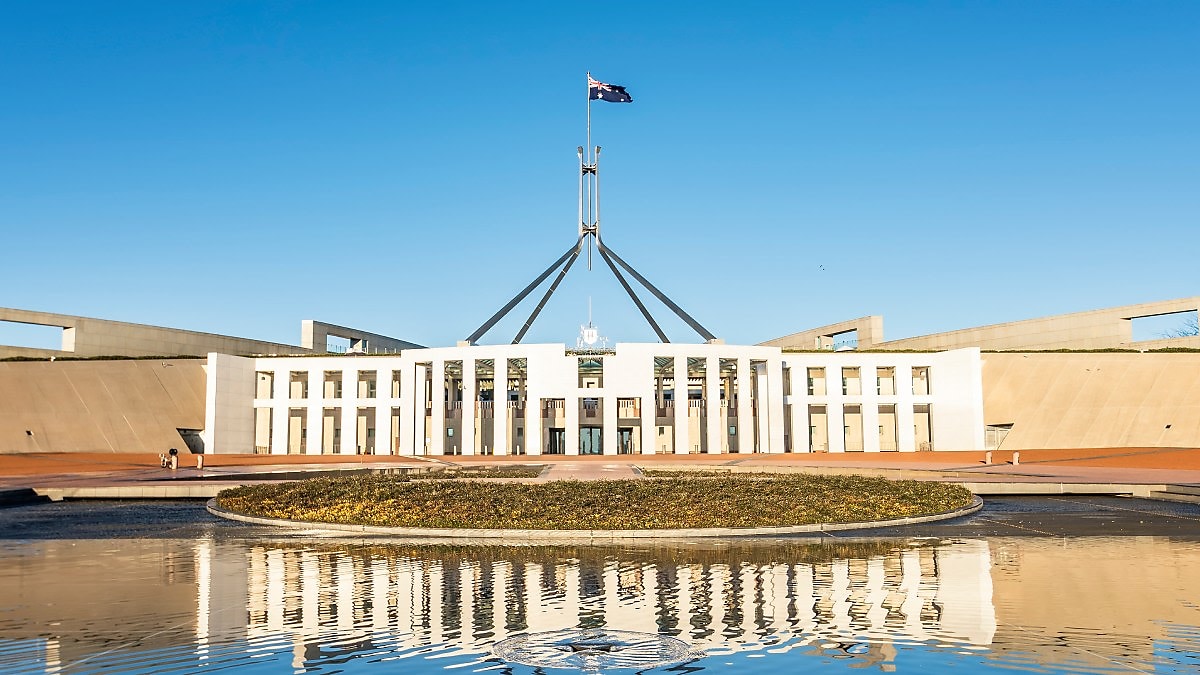
The federal joint select committee on artificial intelligence has released its much-anticipated report, which concluded that Australia cannot afford to sit out of the AI transition, be subject to international conglomerates, or allow artistic copyright to be compromised.
The federal committee tabled its final report, titled: Artificial Intelligence - the Australian way, on 24 November, issuing 46 recommendations covering AI safety, governance, oversight, copyright, infrastructure, accountability and work.
The committee, chaired by Jo Briskey, member for Maribyrnong in Victoria, with Jonathon Duniam, deputy chair and Senate member for Tasmania, and comprising 10 additional members, was established on 20 August 2026 to address the growing gap between professional AI adoption and current technological legislation, and consider the likely impact and solutions on Australian workplaces and employment.
Of the core issues identified in the report, and reflecting on public hearings and almost 600 submissions, the committee highlighted Australia’s strong reliance on international tech conglomerates, found a sustained worker dissent in workplaces as well as blurred accountability and uneven skill development, deficiencies in creative and artistic content scraping and data sovereignty and ownership, growing pressures on critical infrastructure and the human harm AI poses.
The recommendations included: the need for permanent parliamentary oversight, increased resourcing to the Australian AI Safety Institute, mandatory risk-based standards, further analysis into auditing legal gaps, the establishment of a national sovereign AI strategy, governmental procurement policies, data centre licensing, the reservation of a portion of data centre computing power for Australian research and business, a better creator payment framework, legal certainty for payment rules, content labelling capacity and regulation over political deepfakes.
While the committee achieved a general Labor, Coalition and independent member consensus with respect to the recommendations, several sticking points saw dissension, as seen in Senator David Pocock’s report that alleged the major parties are too heavily prioritising multitrillion deals with overseas tech companies.
And while worker unions broadly supported the report’s findings and conclusions, several offered specific recommendations in relation to their memberships.
The Media, Entertainment and Arts Alliance (MEAA) has urged the government to ensure the value of creative labour is acknowledged and that systems distributing payments arising from AI use are recognised, with acting chief executive Adam Portelli adding: “For too long, creative and media workers have been excluded from discussions about how compensation should flow when their work is exploited commercially.”
“It is essential that creative and media workers are paid directly for the work they produce.”
Portelli also encouraged the strengthening of copyright frameworks, while the union welcomed recommendations relating to training data transparency, the acknowledgement of Indigenous cultural and intellectual property, preventing unauthorised AI replication, and ownership of artistic and personal likeness.
“Creative and media workers must have the right to decide whether their work is used to train AI systems. Transparency and payment are essential, but meaningful consent must also be part of any future frameworks,” he said.
“The government must now act on the Prime Minister’s promise that writers, musicians, artists and journalists control the price and value of their work.”
The Australian Writers’ Guild (AWG) and the Authorship Collecting Society Australia Aotearoa (ACSAA) also welcomed the report’s investigation, reinforcing that copyright protection recommendations in particular will level the playing field.
AWG and ACSAA group chief executive Claire Pullen said: “Australia’s cultural and creative exports alone generated $17 billion last year. International demand for Australian works is booming and it’s high time we were serious about supporting that. These recommendations help us along that road.”
In response to the recommendations, the Australian Recording Industry Association (ARIA) rejected the basis from which the copyright recommendations were made.
ARIA chief executive Annabelle Herd said: “The recommendations appear detached from the strong and repeated evidence of rightsholders.”
“Australian copyright law already gives music rightsholders the ability to sue if an AI company infringes their copyright by training in Australia without a license … proposing to weaken the very right that gives creators commercial control and leverage and calling it additional protection is gaslighting.”
Ahead of the report’s release, the Australian Services Union (ASU) called on the government to legislate AI with a worker-first approach, and offer greater transparency around the anticipated impact of AI on the workplace.
ASU national secretary Emeline Gaske said: “Workers must be at the heart of decision making to ensure protections are in place.”
“If unemployment increases with no way for workers to upskill to harness AI tools, it is foreseeable that generations of workers will spend a lifetime without the quiet enjoyment of a career pathway, or will be unemployed or underemployed.”
The committee has been extended until 1 March 2027, with further findings anticipated.
 Want to see more stories from trusted news sources?
Make HR Leader a preferred news source on Google.


