
More time for fathers, more success for businesses
SHARE THIS ARTICLE
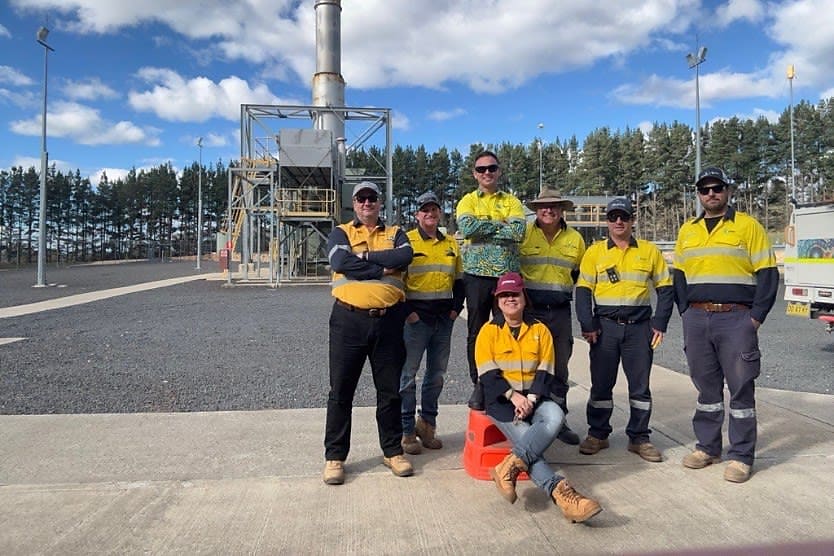
As Australia’s energy and construction sectors face growing skills shortages, the support for working fathers is becoming an integral part of workforce strategy.
Many fathers are hesitant to take parental leave, with the fear that it could impact their career progression.
Talking to HR Leader, Zinfra gas transmission field manager Eric Hayman shared how gender-neutral parental leave has helped balance family and career, bolstered his leadership skills and transcended his perspective around the importance of creating workplaces where fathers feel more supported at home and work.
Hayman’s experience highlighted how family-friendly policies can assist businesses in retaining workers and form a stronger workforce that is more sustainable.
Attracting and retaining talent
For Hayman, supporting working dads is about more than family wellbeing; it is also an opportunity for energy and construction businesses to solidify their workforce and retain valuable skills.
“Supporting fathers to take parental leave can help attract and retain that talent by showing that a career and family life don’t have to compete,” Hayman said.
“When fathers can be present for important moments in their children’s lives, they have more reason to stay and continue building their skills within the business.”
Hayman noted that supporting fathers at work is no longer just a family consideration, but it is quickly becoming a vital strategy for workforce sustainability.
“Parental leave can also be a workforce-planning issue, not just a personal benefit,” he said.
“Having experienced this leave as both a parent and a manager, I’ve seen how a planned significant period of absence can be easier to plan for than a short gap that puts pressure on the existing team.
“Parental leave can also create opportunities for other people to step up, take on secondments and broaden their experience, helping build capability and depth across the business.”
Making parental leave work in practice
Hayman highlighted that the key to creating a culture where fathers feel confident taking parental leave is a trusting and supportive workplace relationship.
“Overcoming the stigma starts with treating parental leave as a normal part of working life, not a sign of weaker commitment or a barrier to career progression,” Hayman said.
“Leaders play an important role in setting that tone by openly supporting the leave, taking it themselves and encouraging other fathers who may be reluctant to do the same.
“Sharing the experiences of fathers who have taken leave helps show that being committed to your job and taking on a primary caring role with your children, being an involved dad, are not mutually exclusive.”
Reflecting on his own leave, Hayman indicated that for frontline workers, parental leave support extends beyond offering time off; it can mean planning and creating a workplace culture necessary for balancing family responsibilities with the demands of the job.
“After time away, catching up on decisions, changes, and team priorities can take time,” Hayman said.
“Businesses should know that family comes first, and a parent’s commitment to their family does not end at the conclusion of their parental leave period.
“I often work after hours once the kids are fed, bathed, read to and are fast asleep; this allows me to do the extra hours required to get ahead.
“I have taken two rounds of parental leave and have also been able to encourage and support team members in taking their own parental leave.
“Not once did I ever feel like my job was in jeopardy, and that was because I had a supportive and trusting manager who enforces the culture Zinfra has set within its workforce.”
HR’s role in supporting fathers
Beyond having a parental leave policy in place, Hayman recognised that employers need to ensure it works in practice, offering flexibility and clear planning – something that is lacking across certain industries.
“During my time on parental leave, I met other fathers who had similar, worse and better company policies,” Hayman said.
“Having the flexibility to take parental leave in smaller blocks or through a regular part-time arrangement.
“Employers also need to recognise that having a parental leave policy is only the first step, what matters is whether fathers feel comfortable using it without hesitation.”
Specifically in human resources, Hayman depicted clarity as being a fundamental aspect in the process of taking time off.
“HR can help by making parental leave benefits clear and easy to navigate,” Hayman said.
“Agreeing on how people stay in touch during leave can also help, providing an opportunity to discuss any support or flexibility to their previous work arrangements.
“Leaders can help set the tone through honest conversations and practical support.
“Having experienced this from both sides, as a parent taking leave and a manager supporting others, I know there’s a lot to be gained from planning ahead.”
Hayman stressed the importance of visible leadership and practical flexibility in making parental leave more accessible.
“When fathers can see others take time off and return to meaningful roles, it helps show that being a dad doesn’t have to come at the expense of career progression,” Hayman said.
“In energy, that support also needs to work on the ground. Where the job allows it, flexibility around rosters or a phased return can help too. It’s about planning at the end of the day.”
“Employers should look beyond how many people are eligible for parental leave and measure whether fathers take it, whether they remain with the organisation, how engaged they feel when they return, and whether they continue to access career and development opportunities afterwards.
“Supporting people through different stages of their lives is good for families and good for business.
RELATED TERMS
Parental leave is a benefit offered to employees that allows for job-protected time off from work to care for a kid once the child is born or adopted.
 Want to see more stories from trusted news sources?
Make HR Leader a preferred news source on Google.


