
‘Something has gone wrong’: University frustrated it cannot sack professor over misconduct claims
SHARE THIS ARTICLE
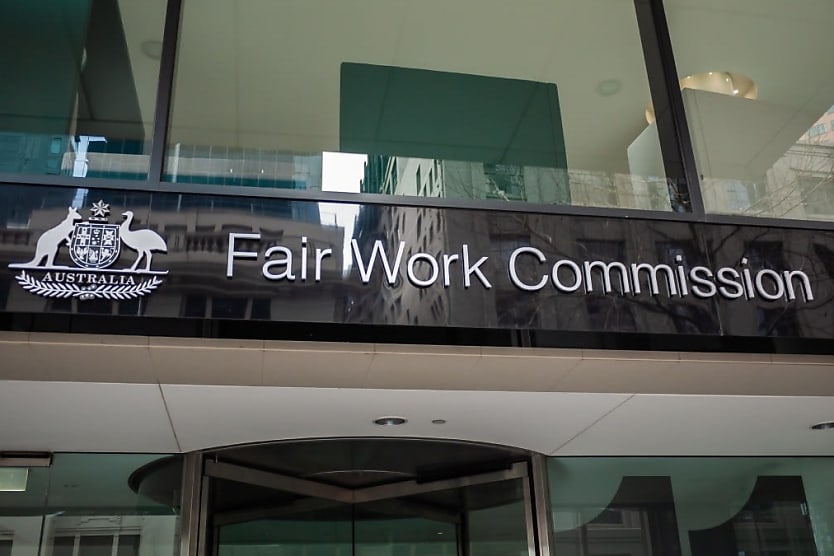
An appeal from the University of Melbourne against the reinstatement of a professor who engaged in misconduct towards a female subordinate has been dismissed by the Fair Work Commission.
Permission to appeal was granted, but the appeal was dismissed after Fair Work Commission (FWC) vice president Ingrid Asbury, deputy president Richard Clancy, and deputy president Peter Hampton determined the dismissal was unfair on an alternative basis.
This was despite submissions from counsel for Melbourne University that “something has gone wrong” for Dr Aleksander Owczarek to be reinstated in the face of “three instances of misconduct, one of which is sexual, two of them serious misconduct”.
“The discretion exercised by, with respect, the deputy president, has miscarried for this decision to have come out of the national industrial tribunal in this country, in the current environment …,” counsel said.
FWC deputy president Andrew Bell’s original decision led to Owczarek, a professor within the department of mathematics and physics and then-acting dean of the faculty of science, reinstated without pay, despite partially substantiated allegations of misconduct.
A colleague alleged they were pursued romantically or non-platonically for an extended period of time between September 2019 and March 2021.
The alleged conduct included a friendship that turned “needy” and “reliant” behaviour from Owczarek, increasing encroachment on the complainant’s personal life, and unwelcome comments hinting at romantic attraction.
Any substantiated allegations of “inappropriate workplace behaviour” and “sexual harassment” would breach several sections of the Appropriate Workplace Behaviour (AWB) policy.
The conduct allegedly ended after Owczarek attended a meeting with the faculty’s human resources manager and an external consultant in which the conduct was discussed, an apology letter was allegedly sent to the complainant, and he commenced a new role that would not require interaction with the complainant.
However, the matter was reconsidered in light of the professor’s application for a role in early 2023 that would again see him work with the female colleague, prompting a complaint and investigation.
Despite denying romantic intentions, Owczarek was dismissed on 14 December 2023, and soon thereafter filed for an unfair dismissal remedy.
In his judgment, Bell concluded the dismissal was harsh, unjust, or unreasonable, having found the misconduct had been, “in a real and practical sense”, dealt with during the aforementioned meeting, and there had been no repeat behaviour.
It was also noted that Owczarek exercised a “troubling lack of insight” into the matter and its effect on the complainant.
Reinstatement but no remuneration for lost pay was ordered “for the sole basis of serving to reinforce to Dr Owczarek that his conduct was inappropriate and must not happen again”.
In appealing the decision, the university did not take issue with Bell’s findings but disputed his determination that the misconduct was not serious, that a delay in the university’s investigation affected the process, and that the decision would reinforce university expectations around personal boundaries.
On Owczarek’s behalf, a notice of contention asked that the reinstatement stand even if the university was successful because Bell found he had no romantic interest in the complainant in his 2023 job application, and the original finding of sexual harassment was itself “not strong”.
The full bench was satisfied with the deputy president’s finding of sexual harassment committed by Owczarek regarding some of the allegations.
Further, if not for grounds two and three – the university’s delay in dealing with the misconduct and Owczarek’s compliance following the meeting – the bench said there would have been a valid reason for dismissal.
The bench also noted: “We agree with the appellant’s submission that in concluding that there was no valid reason for Dr Owczarek’s dismissal, the deputy president placed determinative weight on the March 2021 intervention and the delay … and his dismissal.”
It was suggested that Bell’s finding that there was sexual harassment, “albeit not with that intention”, was significant to his judgment.
The bench concluded it was in the public interest for permission to appeal to be granted, but that the dismissal was unfair, and the appeal was thereby dismissed.
 Want to see more stories from trusted news sources?
Make HR Leader a preferred news source on Google.


