
Workplaces aren’t immune to climate change
SHARE THIS ARTICLE
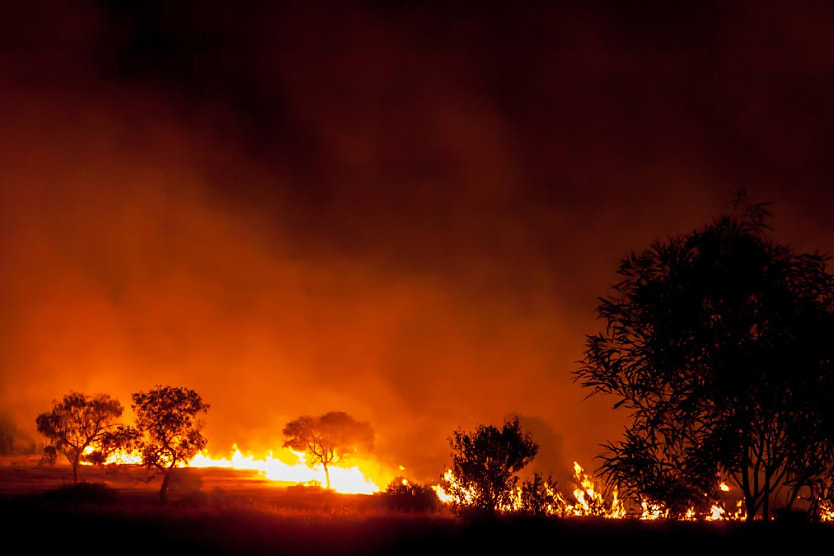
With the Bureau of Meteorology forecasting above-average temperatures across the country this summer, employers are being urged to understand how climate-related hazards can affect their workforce.
In connection with progressing climate change, the International Organization for Standardization (ISO) has released the first global guidance for addressing the associated risks to workforces, prompting the need for businesses to consider whether their policies adequately address climate-related workplace risks.
HR Leader spoke to Australian Institute of Health and Safety chair Celia Antonovsky to explore how duty of care operates with regard to natural phenomena.
According to Antonovsky, climate change does not create a single type of risk, nor does it impact just one group of workers or one geographical location. Beyond geographically vulnerable locations, such as bushfire-prone areas, any workers who operate outdoors can be exposed to a range of hazards, including heat, storms, poor air quality, and changing weather conditions.
Further, fires affect more than outdoor, proximate workers, with smoke easily traversing long distances during the 2019–2020 Australian bushfires.
The key for employers, Antonovsky said, is understanding “how climate-related hazards could affect their particular workers and work, and make sure those risks are reflected in their risk assessments and controls”.
To begin with, Antonovsky urged employers to review not just organisational policies but also their practicality.
“Where organisations often fall short is checking whether what they have put in place is actually working. That is why we encourage employers to use a Plan-Do-Check-Act approach: assess the risk, put controls in place, check whether they are effective, and adjust when circumstances change. This is not a set-and-forget exercise,” she said.
“Policy and execution really go hand in hand. Good policies need to be practical and relevant, but they also need leadership, resources and effective implementation behind them.”
When it comes to an employer’s duty of care, Antonovsky stressed that obligations do not disappear when hazards are natural, and that organisations need to consider risks that emerge from fire, heat, flooding, storms or other phenomena and plan appropriately.
In practice, this looks like having flexible emergency arrangements, clear triggers for action, trained people and supervision, and worker education.
In this way, Antonovsky said it is crucial to work with employees.
“Ask them what changing weather and extreme conditions actually mean for the work they do, because they will often see vulnerabilities that aren’t obvious from a policy or risk register,” she said.
From there, employers should formalise that understanding through risk assessments, controls, and constant review. In the same way, training should be practical, include scenario exercises and rehearsals, and leadership should be empowered to stop, change, or postpone work as needed.
“Preparedness is about anticipating what could reasonably happen rather than waiting for the emergency to arrive,” Antonovsky said.
RELATED TERMS
Training is the process of enhancing a worker's knowledge and abilities to do a certain profession. It aims to enhance trainees' work behaviour and performance on the job.
 Want to see more stories from trusted news sources?
Make HR Leader a preferred news source on Google.


