
If counselling is available, why are employees still slipping through the cracks?
SHARE THIS ARTICLE
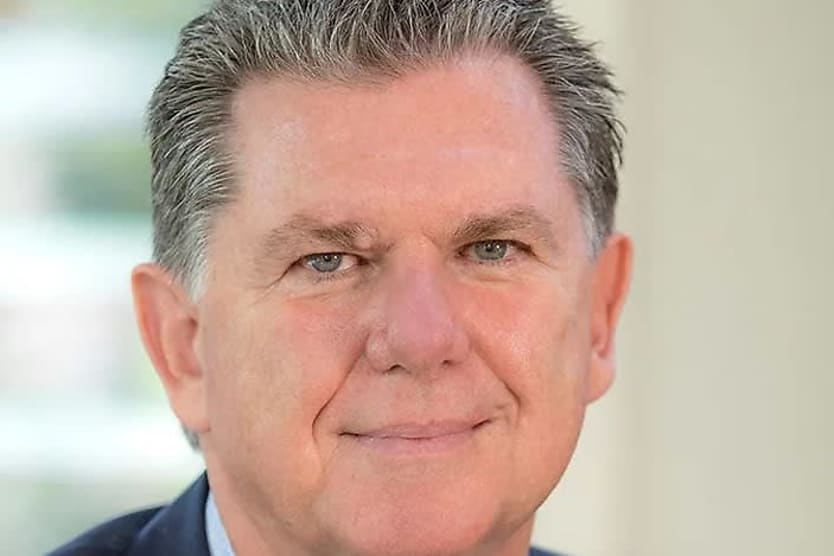
Most organisations provide their employees with access to an employee assistance program (EAP), yet there is an important difference between making counselling available and reaching the people who could benefit from support, writes Paul Flanagan.
Someone navigating a difficult relationship, feeling the strain of caring for an ageing parent, or carrying a persistent worry may not necessarily consider themselves to have a mental health problem. They may still be managing to juggle their personal and work lives, even as their energy, confidence, and sense of wellbeing are declining.
After more than 30 years working in clinical and organisational psychology, I believe this is one of the limitations of how we approach employee mental health.
We rely far too heavily on people getting to the point where their mental wellbeing is sufficiently compromised so that they feel that ‘counselling’ is what they need and worth the often-significant time and effort required to engage and participate.
In Life Street’s analysis of responses from 3,635 employees across 15 organisations, 34 per cent sat at the marginal level on a six-level mental health continuum. They were managing day to day, but experiencing concerns, distraction, and compromised energy or outlook. Another 15 per cent fell into the low category, with mood and emotional difficulties affecting their functioning. Together, these groups represented 49 per cent of respondents, while 5 per cent were at the very low level.
These figures represent a snapshot of the participating organisations, not clinical diagnoses or a nationally representative estimate. They do, however, illustrate the considerable range of need between feeling well and experiencing significant psychological distress.
The limitations of waiting for people to ask for help
Counselling remains a critical part of any EAP. There are times when professional counselling is exactly what is needed, and access to qualified, experienced practitioners is essential.
The limitation comes when counselling is treated as the main, or only, entry point into mental wellbeing support. People who do not believe their situation requires counselling, or who are simply not ready for it, miss the opportunity to get useful assistance early enough.
Our research also highlights something I have observed throughout my career: the difficulties affecting mental wellbeing rarely fit neatly into the categories of either their work or personal life.
Among employees at the very low level, 53 per cent identified personal relationship problems as their primary underlying concern. This does not suggest that work is unimportant. Mental health is complex and influenced by multiple factors, and a single reported primary issue cannot capture the way work pressures and personal circumstances interact.
What happens outside work inevitably influences how we feel and function within it. Equally, workplace pressures can affect relationships, family life and our ability to manage other challenges.
Employers must still address work-related psychosocial hazards. An EAP cannot compensate for excessive workloads, poor work design, or harmful behaviour. As Safe Work Australia makes clear, providing counselling does not, on its own, meet an employer’s duty to eliminate or minimise psychosocial risks arising from work.
Supporting individuals and addressing the organisational factors that contribute to psychological harm need to happen alongside one another.
Rethinking what appropriate and meaningful support looks like
We also need to be more realistic about what people might find helpful in the earlier stages of difficulties.
Someone struggling with family responsibilities may initially need practical guidance, tools to strengthen coping strategies or an opportunity to chat with an experienced professional. They may not need counselling, although it should be readily accessible if their circumstances change.
For HR, this requires a broader conversation about the type and breadth of help employees need from their EAP. Can they access help without identifying themselves as ‘needing to talk to a psychologist’? Is the type of support likely to encourage employees who are coping, but finding life harder than usual, to use it?
We should also be careful about how we evaluate success. The number of employees who sought counselling is not indicative of the number with wellbeing challenges. And, for those who did initiate counselling, did they get there early enough to make a real difference?
We need to consider the type, relevance, accessibility and quality of support available in programs, and whether it genuinely helps people manage difficulties before they become more serious.
Having counselling available is not quite the same as having an effective approach to employee mental health and wellbeing. The more important question is whether the type of EAP provided is primarily focused on crises and counselling, or whether appropriate support is engaging employees before life becomes overwhelming.
Paul Flanagan is a registered psychologist with more than 30 years of experience in clinical and organisational psychology and the founder of Life Street.
RELATED TERMS
An employee is a person who has signed a contract with a company to provide services in exchange for pay or benefits. Employees vary from other employees like contractors in that their employer has the legal authority to set their working conditions, hours, and working practises.
 Want to see more stories from trusted news sources?
Make HR Leader a preferred news source on Google.


