
Are workplaces failing their LGBTQ+ employees?
SHARE THIS ARTICLE
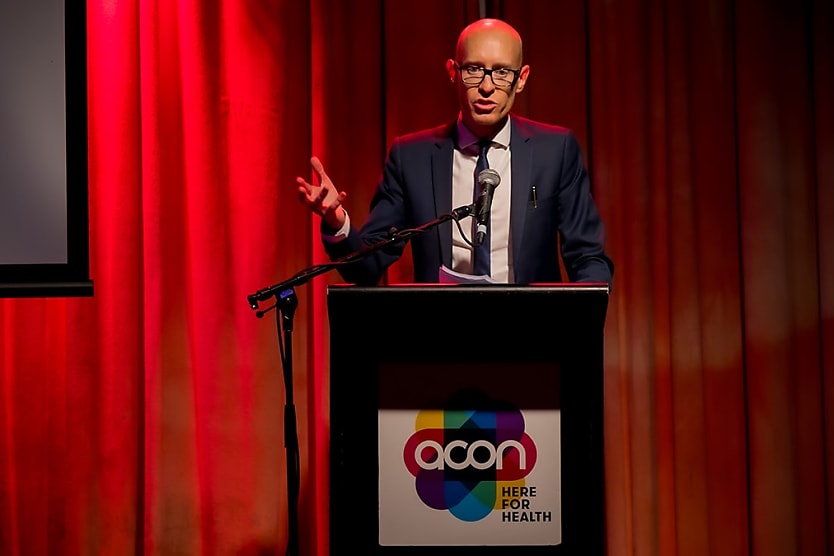
As organisations refine workplace policy, employee training and knowledge deficiencies are continuing to impact the LGBTQ+ community.
Dowson Turco Lawyers (DTL) partner Nicholas Stewart explained that LGBTQ+ employees continued to face discrimination, vilification, and bullying in the workplace despite progress in workplace policy.
According to Stewart, large Australian corporations are exhibiting positive gender and identity protections. He praised NAB’s inclusive culture and policy that reflects “the broad range [of] backgrounds, perspectives, and life experiences of its customers”, noting that its framework adopts an intersectional approach to cater to unique experiences.
Similarly, Stewart referenced the introduction of a Gender Affirmation Policy by Woolworths that recognises “the complexity and challenges trans people face during their gender affirmation journey” and its offering of up to two weeks’ paid leave and two weeks’ unpaid leave for direct support.
Despite these measures, however, DTL – the only self-described “Out Loud and Proud LGBTQIA+ law firm” in Australia – continues to see adverse effects on its clients.
Stewart said: “They have experienced hate speech in the workplace; exclusion and adverse action. From these clients, we can see that even with the best inclusion policies, workplace culture is key to a safe workplace.”
“Psychological hazards are a growing risk for employers, and the LGBTQ+ community is particularly vulnerable to psychological harm, through discrimination, mistreatment, exclusion and bullying. Sometimes our community experiences these harms because colleagues have not been trained in the diversity and nuances of the LGBTQ+ community.”
While acknowledging that many employers aim to construct policies that cater to a broad range of individuals, some fall into the trap of understanding the LGBTQ+ community as a monolith, without considering the differences and intersections of communities.
Noting the range of characteristics, sexualities, genders, identities, life experiences, terminology, and word preferences within the community at large, Stewart said: “It is critical that the group is included in employer inclusion policies to prevent discrimination and stigmatisation.”
“Inclusion policies should be considered from this starting point – what has to happen to make our workplace a safe space for everyone?”
To address these deficiencies, Stewart urged employers to foster a culture that recognised intersectional diversity and acknowledged the potential for employees to experience multiple and overlapping identities.
He said: “Regular inclusion training, diverse employee networks, inclusive leadership practices, respectful language and meaningful consultation can help create a workplace where every employee feels valued, respected and treated equitably.”
“All employers owe their workers a safe workplace.”
RELATED TERMS
According to the Australian Human Rights Commission, discrimination occurs when one individual or group of people is regarded less favourably than another because of their origins or certain personality traits. When a regulation or policy is unfairly applied to everyone yet disadvantages some persons due to a shared personal trait, that is also discrimination.
An employee is a person who has signed a contract with a company to provide services in exchange for pay or benefits. Employees vary from other employees like contractors in that their employer has the legal authority to set their working conditions, hours, and working practises.
 Want to see more stories from trusted news sources?
Make HR Leader a preferred news source on Google.


