What will 2027 look like for CHROs?
SHARE THIS ARTICLE
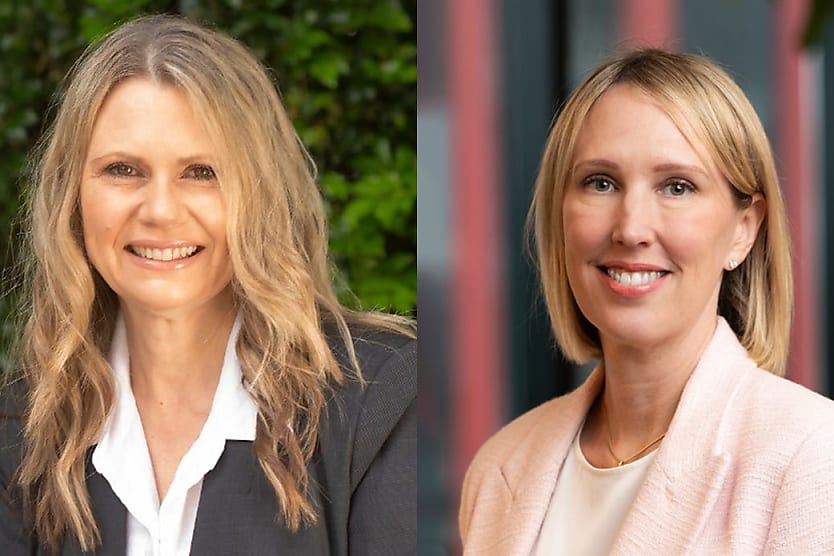
With the new year just weeks away, personnel managers are forecasting the biggest challenges and priorities for chief HR and strategy managers.
SKG Services’ group HR, people and culture general manager, Julie Statevski, and Konica Minolta Australia’s chief people and culture officer, Gabrielle Stevens, GAICD, agree that HR is becoming more difficult as business needs evolve faster than the role can deliver.
According to Statevski, one of the most concerning factors is that many HR functions still run on a yearly cycle, meaning that many workforce plans, reviews and skills frameworks that are meant to last for years are now out of date every quarter, sometimes every few weeks.
Further, Statevski explained that HR is often required to leave the move to AI, while keeping up with new rules on psychosocial safety and flexible work, keep down costs, ensure workers are engaged, and often with the same size team it had five years ago.
She said: “The job is so much more complex now.”
In the same way, Stevens explained that business decisions are being made faster than ever, but that HR cannot get people ready in the same amount of time without guidance, clarity, and the ability to be flexible.
Broadly speaking, chief human resources officers (CHROs) are dealing with increased demands and responsibilities that necessitate a shift towards greater delegation, consultation, and forward-thinking flexibility.
When it comes to AI, Stevens urged CHROs to ensure humans remain at the centre of, and accountable for, decisions that impact employment.
“That covers hiring, promotion, performance ratings, pay and dismissal … having a ‘human in the loop’ means little if that human just approves whatever the system produces,” she said.
“HR needs to spell out what a proper review looks like for each high-stakes use of AI, then check that it actually happens.”
In the same way, Statevski explained that HR should work closely with IT, legal and operational leaders from the beginning to ensure there are clear rules about when AI is used, what information it has access to, and how employees are protected.
She said: “The relationship with IT and technology leaders will become even closer as systems change how work is allocated, measured and performed.”
When it comes to the key roles HR should communicate with as often as possible, Statevski referenced the chief executive, chief financial officer, and operational leaders as essential partners to ensure workforce decisions reflect where the business is going, what it can afford, and what is happening at the operational level.
Statevski also noted that frontline managers will be increasingly relevant to the CHRO role given their ability to explain changes, manage workloads and respond when something goes wrong.
She said: “Their feedback can tell HR very quickly whether a strategy is actually working.”
On frontline and middle managers, Stevens said: “Managers turn every policy into people’s day-to-day experience, and they are carrying much of the load of constant change. Helping them is often the best return HR can get on its time and money.”
When it comes to workplace redesign, Stevens explained that roles will continue to be rebuilt around judgement and cross-checking AI-produced work, meaning that critical thinking will accordingly emerge as one of the most essential skills at every level.
In this way, Stevens said that HR teams should focus on building policy and skills data that is current and flexible, trust managers to make more decisions on the spot, and be willing to “launch something that is 80 per cent ready and improve it as they go”.
She added: “Too often HR waits for the business to ask for something, then rushes to deliver it. HR teams that help set strategy from the start spend far less time catching up.”
Statevski said: “For 2027, I think HR leaders will need to be more direct about priorities, capacity and what it takes to deliver change properly. We also need leaders across the business to take responsibility for managing their people.”
“HR cannot be the owner of every people issue.”
RELATED TERMS
Your organization's culture determines its personality and character. The combination of your formal and informal procedures, attitudes, and beliefs results in the experience that both your workers and consumers have. Company culture is fundamentally the way things are done at work.
The term "workforce" or "labour force" refers to the group of people who are either employed or unemployed.
 Want to see more stories from trusted news sources?
Make HR Leader a preferred news source on Google.