
Keep the cupcakes, but don’t depend on them: Avoiding performative wellbeing
SHARE THIS ARTICLE
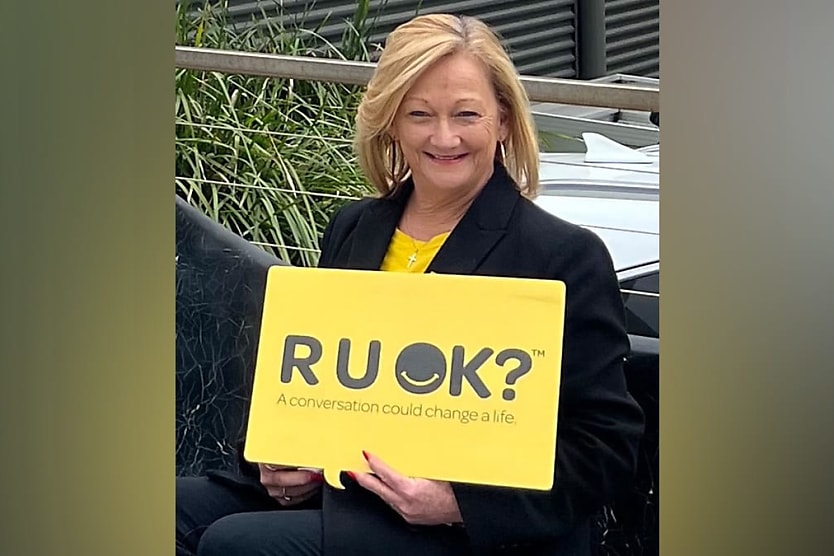
R U OK Day is best understood as a focused National Day of Action and a reminder of how to foster support and connection year-round.
Ahead of R U OK Day 2026 (10 September), HR Leader spoke to the organisation’s workplace program manager Julie-Anne Whitfield to examine the day’s intention, how companies exhibit performative wellbeing, and implementing cultural changes in the workplace.
According to Whitfield, “the intention is not to create one annual event. It is to help build the confidence and habits that make checking in part of any day”.
In this way, employers are urged to consider the day “a starting point, not a finish line”.
Whitfield explained that lasting change is established through ongoing measures and considerations, whether it’s the introduction of regular check-ins, verbalising praise and building leader confidence, encouraging supportive conversations, strengthening peer support networks and reinforcing psychologically safe workplace practices.
She said: “The goal is creating an environment where people feel comfortable noticing when someone does not seem themselves and confident enough to check in.”
In this vein, Whitfield noted that managers do not need to have a similar lived experience or have specialised experience in the range of psychological challenges a workforce can face; rather, employees respond to connection and empathy.
“What people need most is for someone to notice, ask how they are going, listen without judgment and help them access support if they need it,” she said.
“Managers do not need to solve every problem. Their role is to create space for honest conversations, maintain appropriate workplace support and connect employees with available resources when required.”
Taking these steps can avoid unintentional performative wellbeing, whereby an employer seemingly cares more about the image of support than its practice. While themed posters, morning teas and other symbolic gestures are not performative on their own, if they’re not accompanied by day-to-day behaviours and impactful leadership, they’re unlikely to have any real effect.
“The organisations seeing the strongest results are the ones that integrate these conversations into daily working life rather than limiting them to a singular awareness event,” Whitfield noted.
“Cultural change starts with everyday behaviour, not campaigns. Leaders set the tone through what they consistently do, prioritise and reward.”
“If leaders model genuine care about how people are going, make time for meaningful conversations, listen well and create psychologically safe environments, those behaviours become part of workplace culture.”
“Good support starts with curiosity rather than assumptions.”
RELATED TERMS
Your organization's culture determines its personality and character. The combination of your formal and informal procedures, attitudes, and beliefs results in the experience that both your workers and consumers have. Company culture is fundamentally the way things are done at work.
 Want to see more stories from trusted news sources?
Make HR Leader a preferred news source on Google.


