
‘What could go wrong’, and other questions safety managers need to ask
SHARE THIS ARTICLE
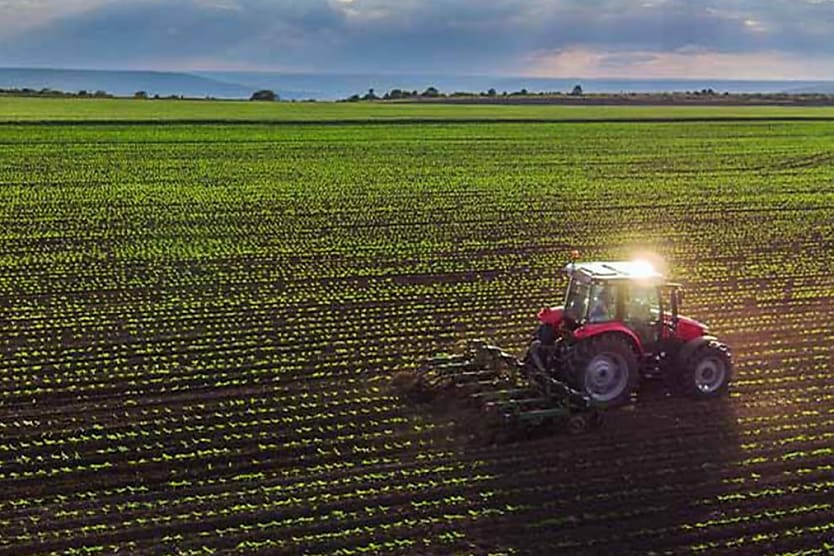
In National Farm Safety Week, safety professionals and managers are being urged to refine mental and physical health safety practices.
In light of shocking statistics regarding fatalities in the agriculture sector, the Australian Institute of Health and Safety (AIHS) has themed this year’s National Farm Safety Week (19–25 July) as Set the Standard: ‘Show ‘em How It’s Done’, to remind employers to lead by example in the second deadliest industry.
According to work health and safety data from Safework Australia, in 2025, agriculture, forestry and fishing recorded the highest serious injury claims of any sector, with the claims rate of 11.3 per million hours worked almost doubling the national average.
The sector has already seen 13 deaths this year alone, with vehicle rollovers, falls, equipment incidents and being struck by moving objects remaining the leading cause of farm deaths.
AIHS CEO Julia Whitford said this year is focused on preventing workplace shortcuts – that are not only significantly dangerous in the farming sector, especially, but are also regarded by others, and often copied.
She said: “This campaign is about work health and safety professionals and farmers working together to show what safe, practical farming looks like. Farmers know their work better than anyone – by having conversations and learning from each other, we can make safety part of everyday farming.”
“Long hours, financial pressure and the mental strain of isolation can also take a toll. Add unpredictable seasons and burnout, and you have the perfect storm for physical and psychological injury.”
As such, safety consultants and risk mitigators have a significant role in the provision of support, including the identification of appropriate tools and where deficiencies exist in policy and practice.
Whitford told HR Leader the common misconception that “the greatest risks come from careless behaviour”, adding that “the behaviour is usually shaped by pressure, equipment design, maintenance, and deficiencies in staff or training”.
In this way, Whitford specified guidelines from SafeWork Australia that dictate a focus on machinery and vehicles, work conducted from height, and chemicals, to address some of the most common causes of injury and death.
She said: “I’d ask workers how the job is done, and what shortcuts people feel prepared to take, and what equipment or processes would make it safer.”
“Consult with the workers. They’re the ones that know what actually happens … out on the farm, day to day.”
Whitford added that safety professionals “don’t need a big budget for this. Grab a notebook, sit down with the people that they work with and talk through what could go wrong. It doesn’t have to be complicated, just a conversation and then a plan.”
In the same vein, Marcus Cattani, industry safety and health professor and AIHS board member, explained that “you don’t need a computer, a budget, or to be an expert in agriculture” to make a difference”.
He also urged employers or safety consultants to ask workers what could go wrong, be honest about what you’re already doing, decide what needs to change – and ensure it happens – investigate anything that goes wrong, and keep a “safety shopping list … from a risk register or an investigation”.
Whitford said: “Every worker deserves to return home safely at the end of the day, and that is a job we all share. By working together, we can make safer farms for everyone.”
 Want to see more stories from trusted news sources?
Make HR Leader a preferred news source on Google.
Amelia McNamara
Amelia is a Professional Services Journalist with Momentum Media, covering Lawyers Weekly, HR Leader, Accountants Daily and Accounting Times.
