
UniMelb staff push for 4-day working week, greater staff protections
SHARE THIS ARTICLE
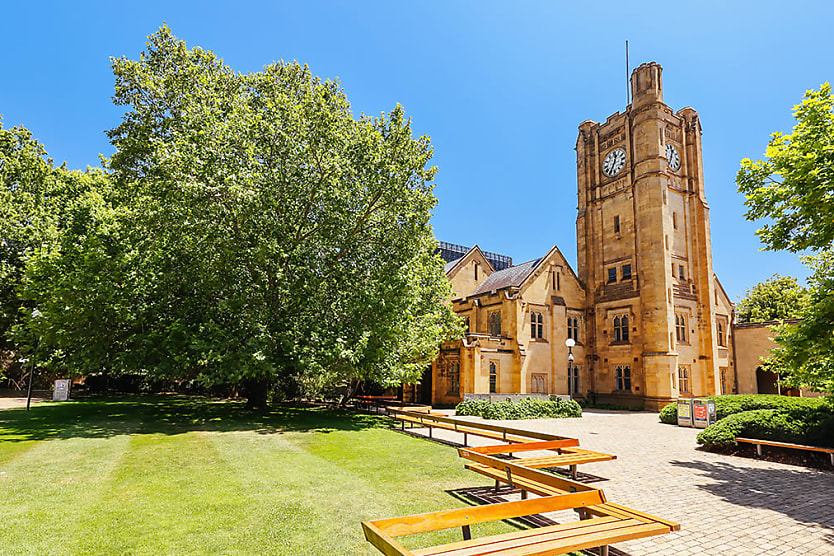
The log of claims cited the unilateral power of management to set workloads as a significant and ongoing concern to staff.
A recent industrial claim submitted by the Australian Council of Trade Unions (ACTU) University of Melbourne branch has been served to university management, opening negotiations for a new enterprise agreement.
The key focus of the claim is the reduction in working hours without a reduction in pay, which, the ACTU argued, sits above-inflation in response to ongoing cost-of-living pressures.
According to NTEU University of Melbourne branch president David Gonzalez, “you can’t keep asking staff to do more with less and then offer them a pay rise that doesn’t even keep up with the cost of living”.
The introduction of four-day work weeks, according to Gonzalez, is supported by evidence that shows “productivity holds, absenteeism drops and staff retention improves”.
“The University of Melbourne prides itself on being evidence-led. It’s time to apply that to its own working conditions,” Gonzalez said.
He highlighted how staff had reached a breaking point on workloads, and when they are “set without staff input, the result is burnout, which hurts academics’ ability to deliver world-class teaching and education”.
The ACTU proposed the establishment of academic workload committees across the university, with binding authority over workload decisions, and the majority of membership being non-management academic staff.
Along with the proposed 20 per cent pay rise, the log also cited stronger safeguards against artificial intelligence, reflecting a growing concern about the adverse effects of increasing AI adoption.
Gonzalez said: “With the pace of AI’s development, it’s essential we have serious guardrails embedded in the agreement that protect us from harm.”
Also included in the log of claims is a dedicated protection clause for Aboriginal and Torres Strait Islander employees – including commitments to job retention, security, cultural safety and representation – the reinstatement of end-of-year shutdown leave, a strengthened teaching-research nexus, limitation of insecure work, superannuation and sick leave provided for casual staff, enhanced protections for graduate researcher associates, and gender affirmation and reproductive leave, among others.
The log of claims stated that, contingent upon reaching an agreement within nine months of the expiry of the current agreement, it will expire on 1 September 2029.
Gonzalez said: “Staff have done the work to develop serious proposals. Now it’s time for management to engage constructively on a plan to make the university work better for staff, students and the community.”
This comes on the back of multiple union and representative group submissions to the federal parliamentary inquiry into the National Employment Standards, which is seeking to instil change for all Australian workers covered by the Fair Work Act.
In its national submission, the Australian Services Union (ASU) called for a “fundamental reset” to working standards, with specific demands including roster justice for shift workers and six weeks’ notice for jobs replaced by AI. The ASU argued that “it’s time for the next evolution in workplace design”.
Recent submissions from the ACTU trended in a similar way, calling for an additional week of annual leave, 10 days of reproductive leave, a reduction in the maximum weekly hours from 38 to 35, and the right to request a four-day work week.
 Want to see more stories from trusted news sources?
Make HR Leader a preferred news source on Google.
