
Restaurant staff short-changed on penalty rates, court finds
SHARE THIS ARTICLE
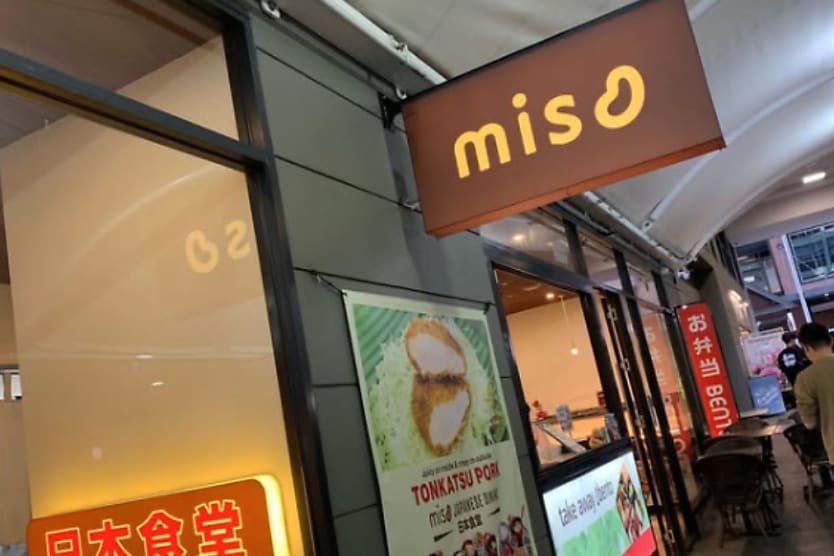
The director of a now-deregistered Sydney restaurant has been ordered to compensate almost 80 workers – most of them migrant visa holders – after they were underpaid their weekend, public holiday and overtime entitlements.
Dozens of staff from former World Square Japanese restaurant Miso are owed a share of the $162,514.28 in compensation the Federal Court of Australia ordered against part-owner Katsuyoshi (Ken) Sadamatsu, less any amounts already paid.
Justice Elizabeth Raper found Sadamatsu contravened the Fair Work Act 2009 (Cth) by his failure to pay Saturday, public holiday, overtime, split-shift and annual leave entitlements to employees between June 2020 and September 2022.
One employee, who is owed about $19,000, was at times paid a flat rate of $22 when they should have been paid hourly rates of $32 for overtime, $27 on Saturdays, and $48 for public holidays, according to the Fair Work Ombudsman (FWO).
Sadamatsu also failed to make and keep required employment records for penalty rates, overtime and leave entitlements.
A further penalty will be discussed next February.
The employer, Miso, was placed into liquidation in 2024 and was shortly followed by the closure of the restaurant.
The FWO discovered the underpayments during an audit.
In a statement to media earlier this year, the FWO said most of the affected workers were visa holders from a range of countries in Asia, and many were aged between 19 and 24.
The underpayments were described as “completely unacceptable” in circumstances where the FWO formally cautioned Sadamatsu in August 2020 for similar conduct and put him “squarely … on notice” of compliance with workplace laws.
“When we encounter alleged deliberate underpayments of vulnerable migrant workers we will do everything within our power to hold individuals involved in that exploitation to account,” Ombudsman Anna Booth said.
“Employers also need to be aware that taking action to protect migrant workers and young workers, and improve compliance in the fast food, restaurant and café sector, are long-term FWO priorities.”
In May, the Australian Securities and Investments Commission (ASIC) disqualified Sadamatsu from managing corporations for a period of five years following his involvement in Miso and four other failed companies: Sake Enterprise, New I.N.G. Consulting, Masuya, and Miso GS.
At the time of ASIC’s decision, the five companies owed a combined total of $4,375,875.63 to unsecured creditors, including $4,173,350.93 to the Australian Taxation Office (ATO).
ASIC found Sadamatsu acted improperly and failed to meet his obligations as an officer when he failed to ensure the companies met their statutory obligations to the ATO; failed to maintain proper records; and improperly used his position as director to sell business and assets of four of the companies.
Citation: Fair Work Ombudsman v Sadamatsu [2026] FCA 1568.
 Want to see more stories from trusted news sources?
Make HR Leader a preferred news source on Google.


