
Below-board behaviour impedes reinstatement despite improper dismissal process
SHARE THIS ARTICLE
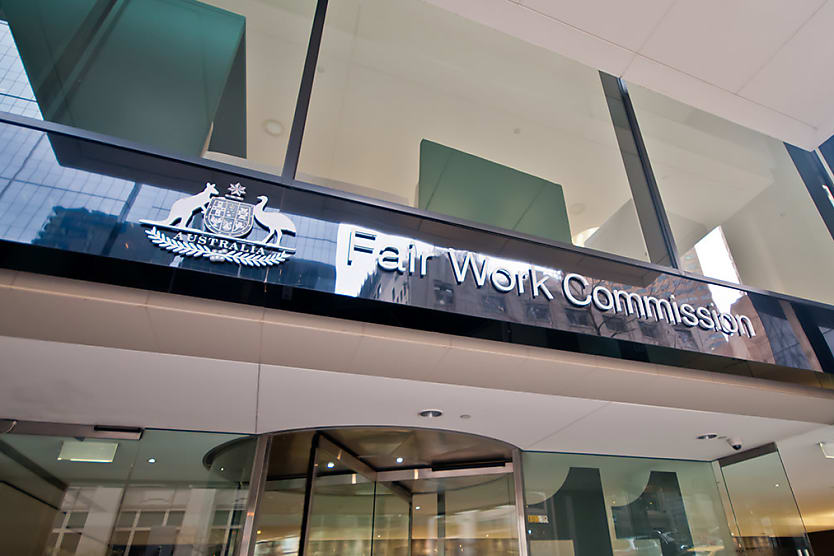
A ship master’s application for unfair dismissal to the Fair Work Commission has been partially upheld, and compensation ordered, but reinstatement was determined inappropriate due to the nature of substantiated misconduct.
The applicant commenced employment with Curtis Island Services, trading as SeaLink Whitsundays, in June 2024, working on a casual basis as master of the Wildcat vessel.
A series of three allegations of misconduct were made against the applicant in mid-2025, stemming from an email by a deckhand employee, who reached out to the respondent’s operations manager on 1 June 2025 to allege “very unsafe behaviour”.
Following a team training session purposed as a “line in the sand”, a meeting between the applicant and the respondent’s people and culture manager, a meeting between the people and culture manager and general manager, and further investigation, the applicant received an unofficial letter of allegations, and was informed they would receive the official letter the following Monday.
The letter outlined the first allegation as occurring between 28 May and 4 June, claiming the applicant slept on the vessel, ignored radio calls, disregarded snorkel observation duties, vaped in front of crew and guests, took a personal call while driving the vessel, and threw food leftovers overboard.
The second allegation suggested the applicant requested unauthorised employees take control of the vessel on 4 June.
The third allegation detailed conduct between 12 April and 4 June as various instances of sleeping on the boat, vaping in view of crew and guests, throwing lunch leftovers overboard, leaving the helm while the vessel was in motion, almost missing the dock, and telling a crew member, in relation to snorkel safety, words to the effect of “I just don’t give a f-ck let them die”.
The applicant sent a series of nine emails to the two managers on 8 June in response, alleging a breach of trust in relation to being filmed sleeping, belittlement from a safety manager, inappropriate conduct by staff members, defamation, a request for “medically supported smoking cessation prescribed vaping” accommodations, bias by a staff member who has not signed off on his training for ferry operation and ongoing workplace harassment.
Following an in-person meeting between the applicant, a Maritime Union of Australia representative and the people and culture manager and general manager, a video conference hearing was held to inform the applicant that their employment was terminated.
Within the formal letter issued to the applicant, it was noted: “As a result of our recent investigation into the allegations put to you and taking into consideration your responses, level of contrition and responsibility shown, we have found all three allegations to be substantiated on the balance of probabilities.”
The misconduct – which was noted to have breached the Safety Management System (SMS), Marine Safety (Domestic Commercial Vessel) National Law Act section 67, an International Maritime Organisation (IMO) convention, and the respondent’s marine and tourism policies, the Code of Conduct, and values – “resulted in the employer losing faith, trust and confidence in you as our employee”.
As a casual employee, the applicant was not paid in lieu of notice.
In their submission for unfair dismissal, the applicant purported that the respondent’s reliance on safety couldn’t be taken seriously, given the boat’s own alleged health and safety issues, noting that the death of a passenger in November 2024 impacted them deeply, and further alleging bias against him, as well as discrimination.
During the hearing, Fair Work Commission (FWC) deputy president Nicholas Lake noted the applicant’s responses as deflective, dismissive and enthusiastic of the “theatrics of being on the witness stand”, but nevertheless passionate when it came to working within the maritime sector.
Allegations of witness collusion or evidence fabrication, including the use of AI, and a conspiracy to exit them due to a union membership were identified as implausible.
The applicant admitted he threw a tray of rice salad overboard, conceded to some of the allegations of sleeping on the vessel and occasional vaping, but denied using a phone for a personal reason, denied, on some occasions, he was on snorkel watch duties – and when he was, denied avoiding observation responsibilities – and clarified the staff he asked to take the helm were not in control of the boat but “on watch”.
Despite the respondent’s witnesses generally being identified as credible, Lake noted some evidentiary deficiencies and difficulties, especially given that the reason for dismissal was based on a number of factors that need to be proved or demonstrated as a valid reason.
While it was determined that most of the conduct likely occurred, Lake said of one alleged breach of Marine order 28, the National Law Act, and the Vessel SMS, “I have not been provided with submissions which explain how the above conduct is a breach of law. I could not with any confidence wade into maritime law”.
Similarly, allegations that were not proven to occur were that of leaving the helm “whilst the vessel was in motion, resulting in a near miss with the dock” or staging words to the effect of “I just don’t give a f-ck let them die” as there was a single or no witness.
In considering the validity of the dismissal, Lake said: “The conduct which I have found occurred … demonstrates a pattern of conduct in which the applicant behaved inappropriately”.
“I find there was a valid reason for dismissal.”
However, it was noted that the applicant was not told the informal chat on 6 June was a precursor to a disciplinary process, the letter of allegations was unofficially handed to the applicant, and the apparent blurring of a show cause letter and allegations letter may have meant the respondent had decided to terminate the applicant without considering their response to the allegations.
Lake said: “There was also a step missing in the process in which the applicant should have been given an opportunity to say, when looking at the substantiated allegations, whether the conduct warranted dismissal.”
While the dismissal was deemed to be valid, it was noted that the aforementioned deficiencies make the dismissal unreasonable and partially unfair. However, given the substantiated conduct, Lake concluded: “I do not consider it would be appropriate to reinstate the applicant.”
He said: “I could not with confidence reinstate a person who displayed disregard for policies and procedures to a leadership role which has safety implications.”
The respondent was ordered to pay compensation minus a 30 per cent reduction due to the misconduct that led to the dismissal, totalling $5,204.39.
RELATED TERMS
Compensation is a term used to describe a monetary payment made to a person in return for their services. Employees get pay in their places of employment. It includes income or earnings, commision, as well as any bonuses or benefits that are connected to the particular employee's employment.
When a company terminates an employee's job for improper or illegitimate reasons, it is known as an unfair dismissal.
 Want to see more stories from trusted news sources?
Make HR Leader a preferred news source on Google.
