
$30k granted to ‘frazzled’ truckie fired after positive cannabis test
SHARE THIS ARTICLE
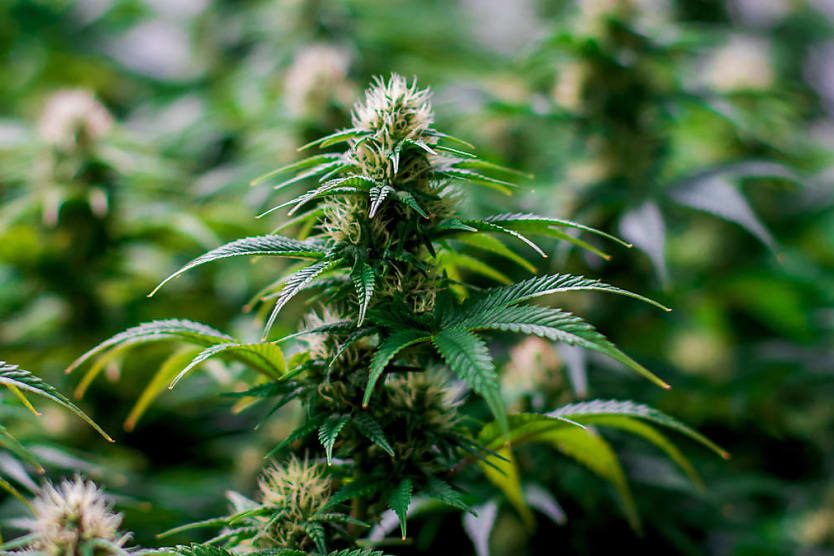
After testing positive for cannabis at a roadside stop by NSW Police, the truck driver’s dismissal did not stand, with a court finding flaws in his employer’s case, granting thousands in compensation.
The Fair Work Commission ruled that the dismissal of truck driver, Brayden Dale-McCormick, who smoked a joint while feeling “frazzled” on a weekend, was unfair. The commission rejected his employer’s submission that a serious and imminent risk to the health or safety of other road users was caused by the worker’s actions.
Dale-McCormick was terminated by his employer on 13 May 2025, a few days after he was issued a notice by NSW Police for testing positive for an unspecified illegal substance.
Commissioner Trevor Clarke determined that his employer’s claim that Dale-McCormick breached the workplace drugs and alcohol policy was unfounded, ruling that the dismissal was not valid.
The commission ordered his employer to pay him $31,304 plus superannuation for lost wages, determining that reinstatement would be inappropriate as respectful relations between the parties could not be restored.
Dale-McCormick worked as a truck driver for Melbourne-based bedding manufacturer, Sleepeezee Bedding Australia, spending a total of 42 weeks in the job.
The commission found that Dale-McCormick smoked cannabis on the weekend, either on 3 or 4 May 2025 and tested positive for an unspecified illegal substance in a roadside oral fluid test carried out by NSW Police during work hours at 9:58am on Wednesday, 7 May 2025.
Dale-McCormick did not deny using cannabis that weekend; however, he asserted that he was not a regular user of the drug.
During the roadside stop, Dale-McCormick was issued a notice by the NSW Police prohibiting him from driving any motor vehicle for 24 hours, from 9:15am that morning to 9:15am the next day.
His employer gave evidence that since Dale-McCormick was unable to perform his duties, the business was forced to have another worker fill his position during his 24-hour suspension.
On 13 May 2025, Dale-McCormick was called into a meeting with management to discuss his conduct. Although the commission noted there was very little evidence as to what was actually discussed during the meeting, Clarke found that Dale-McCormick’s employer said: “We could not continue to employ a [heavy combination vehicle] driver who posed a safety risk on the road due to substance use”, subsequently issuing a letter of termination.
While Dale-McCormick’s employer asserted that he was under the influence of drugs while on duty, the commission found that they did not seek expert evidence to substantiate this claim.
There was “no confirmatory laboratory test result to indicate which (if any) prohibited substance was found or what level of such substance was found. Nor had the applicant been charged with any offence as at that time [of the termination]”, Clarke determined in his 9 February 2026 decision.
The presence of cannabis in the sample was only determined after Dale-McCormick’s termination.
Although the court agreed that Dale-McCormick was careless and his conduct constituted poor judgement, Clarke was not satisfied that the workplace’s alcohol and drug policy was breached at all, finding that the sanction was disproportionate to Dale-McCormick’s conduct and that his employer “proceeded with undue haste towards an outcome in this case, on the basis of insufficient information”.
Clarke ruled the dismissal unfair for lack of procedural fairness, ordering Sleepeezee Bedding Australia to pay Dale-McCormick $31,304 plus superannuation for lost wages, ruling that Dale-McCormick would have remained in the role for at least a further 26 weeks had he not been terminated.
The case citation: Mr Brayden Dale-Mc Cormick v SLEEPEEZEE BEDDING AUSTRALIA PTY. LTD. (U2025/8710).
RELATED TERMS
Compensation is a term used to describe a monetary payment made to a person in return for their services. Employees get pay in their places of employment. It includes income or earnings, commision, as well as any bonuses or benefits that are connected to the particular employee's employment.
When a company terminates an employee's job for improper or illegitimate reasons, it is known as an unfair dismissal.
 Want to see more stories from trusted news sources?
Make HR Leader a preferred news source on Google.

