
Cash rate reaches 18-year high
SHARE THIS ARTICLE
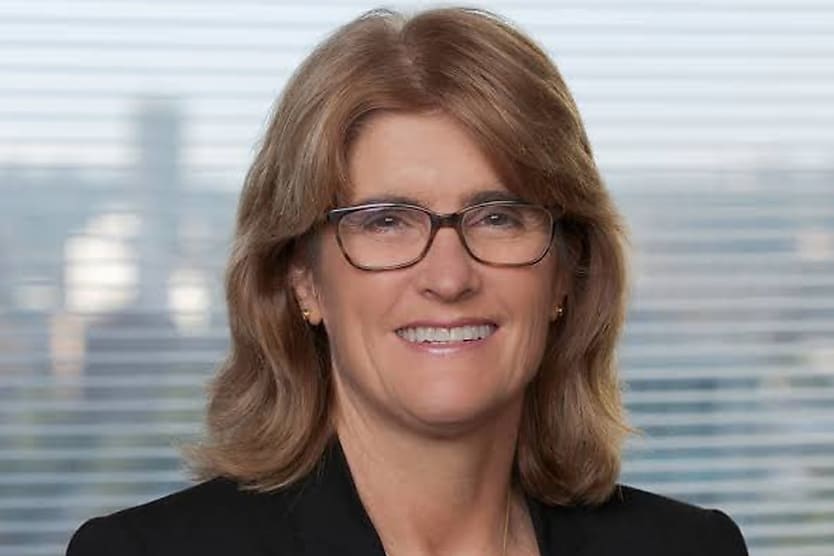
Four rate rises have become five after the Reserve Bank of Australia hiked the cash rate to 4.85 per cent, which is expected to increase pressure on home owners and businesses alike.
Following its November Monetary Board Policy Meeting, the Reserve Bank of Australia has raised the cash rate by 25 basis points to 4.85 per cent after unanimously voted increases in August and September.
The increase was widely anticipated, with the big four banks and numerous economists predicting the year’s fifth rise, following the consumer price index rising to 4.3 per cent in September.
RBA governor Michele Bullock said: “The increases in the cash rate target since the beginning of the year have tightened financial conditions. The economy is slowing, housing prices have fallen significantly and the unemployment rate has risen. The forecasts see growth in output slowing further over the coming year, which is expected to reduce capacity pressures and help return inflation to target.”
“Higher interest rates and falls in housing prices and turnover are expected to weigh on growth in dwelling investment and household consumption. On the other hand, growth in overall business investment is forecast to be stronger in the near term, including data centre-related investment. Employment is expected to continue to grow, but the unemployment rate is projected to rise by more than expected in the August forecasts.”
In a media release ahead of the decision, the Australian Council of Trade Unions (ACTU) urged the RBA not to increase interest rates, warning that workers are beyond their limit to absorb further job losses and higher housing costs.
Union secretary Melissa Donnelly said: “We are experiencing an overseas-driven inflation spike, and once again, working Australians are expected to pay the cost with higher housing costs, job losses and proposed cuts to public services. It’s time big businesses did their bit for Australia by restraining their profits and prices.”
“The big four banks, which stand to profit the most from interest rate rises, are also letting the community down.”
“The profits of the big four banks currently total more than $30 billion after tax. Only BHP and Rio Tinto are more profitable than the banks and the last time the Reserve Bank went through a cycle of lifting the cash rate in 2022–23, the big four banks creamed off an extra $4 billion in profit from mortgage holders.”
The ACTU noted that New Zealand’s central bank saw a collapse in real wage growth and higher unemployment in 2023 and 2024 following aggressively tightened monetary policy.
Donnelly said: “Inflation has gone up in both countries because of rising fuel and energy prices from the US-led attack on Iran. The only real difference now is that New Zealand has been left with higher unemployment and worse real wage outcomes.”
“Lifting official interest rates and ignoring the risk to jobs doesn’t fix global inflation. But it costs jobs and Australian workers don’t deserve to be forced down that path.”
James Keene, Asia-Pacific managing director at Employment Hero, said the decision will add further pressure to Australian SMBs.
“Small businesses have proven resilient through a tough cycle, but higher borrowing costs are likely to make many owners more cautious about hiring and investment heading into 2027,” he said.
“With interest rates now at their highest level since 2008, productivity is the lever SMBs can control. Many are still held back by manual processes and admin that take time away from running and growing the business. Helping more SMBs adopt the right technology will be key to keeping them hiring through a tighter economy.”
 Want to see more stories from trusted news sources?
Make HR Leader a preferred news source on Google.


