
The ‘missing middle’ of the female talent pipeline
SHARE THIS ARTICLE
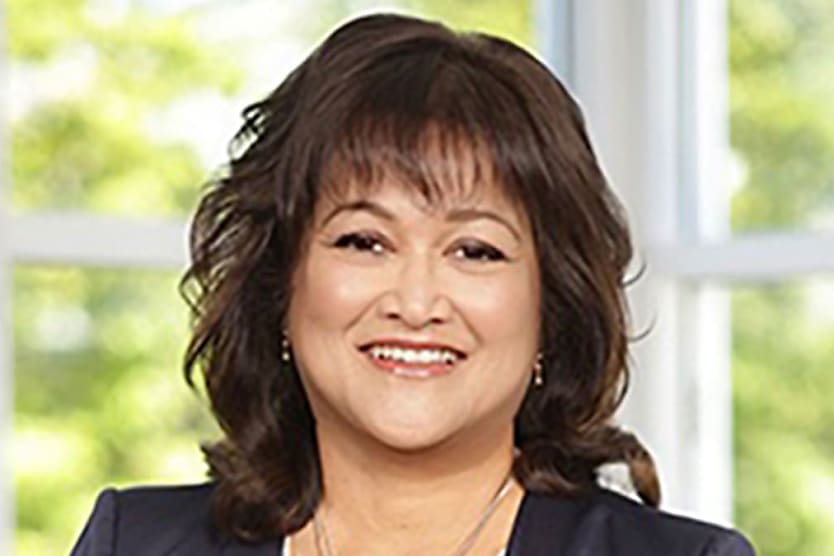
Women are leaving management at disproportionate rates, according to recent Workplace Gender Equality Agency findings, with employers being urged to replace traditional promotion sentiment with more contemporary considerations.
Analysis of recent Workplace Gender Equality Agency (WGEA) findings by Bankwest Curtin Economics Centre (BCEC) has identified an uneven representation and retention landscape across industries when it comes to management-level employment.
According to Gender Equity Insights 2026: Unlocking Australia’s Workforce Potential, women are more likely to resign from leadership positions than men – and it is an issue that employers have yet to solve.
BCEC found that the uneven distribution of caring responsibilities and a lack of flexible work opportunities for men and women are the strongest drivers of this phenomenon – and as would be expected, employers with female C-suite employees were both more likely to offer flexible work, and more productive.
HR Leader spoke to WGEA chief executive Christine Castley to examine the practicality of “good flexibility”, the challenges employers face with regard to resignation, and how management should consider career pathways more broadly to effect change.
Castley said work arrangements can be the difference between progress and stagnation, both at home and at work.
Those that offer genuine flexibility, predictable conditions and equal opportunities, she said, help employees build careers and contribute at higher levels – a factor that is all the more important as employers grapple with workforce participation, retention, skills shortages and productivity demands.
Reflecting on the disproportionate change to women’s work patterns and caring responsibilities post having children, Castley said: “While employers cannot influence what happens at home, they can ensure jobs, working arrangements and career pathways enable employees to stay, progress and succeed as their circumstances change.”
Regarding retention of women in management positions, Castley said employers should examine promotion patterns to build a stronger leadership pipeline.
“Where women are concentrated in support roles, organisations need to create clear pathways into operational, financial, and other leadership positions that often lead to more senior roles,” she said.
“Workplaces that draw on the skills and experience of all their people and recognise that people’s lives and responsibilities change over the course of a career, can access a wider talent pool, and build stronger, more productive organisations.”
In this way, Castley urged employers to look beyond the usual leaders and challenge the idea of what leadership looks like.
“Recruitment is part of the picture, but so too are retention, career pathways, job design, and working arrangements that enable people to stay and progress,” she said.
“The next frontier of gender equality is ensuring talented employees can enter management, progress to leadership and stay on a career path as their circumstances change, supported by management roles designed for flexible and part-time work.”
 Want to see more stories from trusted news sources?
Make HR Leader a preferred news source on Google.


