
Participation and capability as the path to workplace gender equality
SHARE THIS ARTICLE
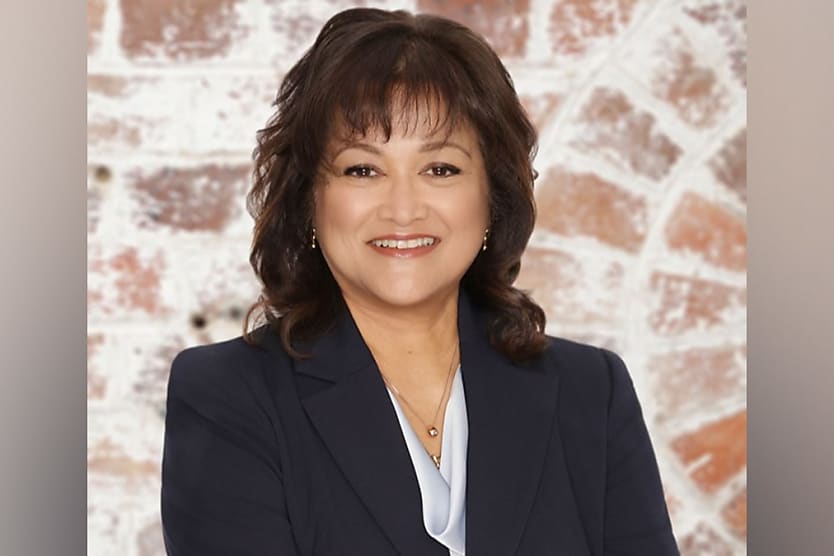
Understanding deficiencies in workplace structure and its effect on Australians attempting to achieve the nation’s core tenet of opportunity is key to establishing a more equitable future, one expert has explained.
In a lecture at the University of Sydney on 22 July, Christine Castley, CEO of the Workplace Gender Equality Agency (WGEA), identified gender equality as a question of who gets to be part of the things that matter and who gets left out – and explained that workplaces have a significant role in answering this.
People are often left out, she said, “not always deliberately, sometimes unintentionally, sometimes because of assumptions no one has ever questioned … because we continue with our ways of doing things that once made sense but no longer reflect the lives people are living today”.
Castley noted that, despite not being true for every Australian equally, the country’s core pillar is the provision of work that provides dignity and opportunity – but that this story has become harder to sustain, with confidence in a better life for the younger generations waning.
She referenced recent surveys, including the Lowy Institute’s, that showed Australians are becoming less optimistic about the future compared to the last few decades, with cost-of-living pressures, housing affordability, technological disruption and global uncertainty all fuelling uncertainty.
“Moments like these should lead us to ask bigger questions”, she said.
“Not just about economic growth, but about participation, about opportunity and about how we convince Australians to have faith that they still have the chance to build a good life.”
Castley expressed concern that Australia has wavered from this social compact, noting that institutions are straying from the Australia they serve, and that the Australia at work today “is not the Australia many of our workplaces were originally designed for”.
Specifically, this can be seen in the many forms families and households can take, greater work variation and oscillation between jobs, and an evolving understanding of what it means to live a full and meaningful life.
If workplaces are to continue unlocking Australia’s capability, Casteley said, they too must evolve - starting with underlying embedded assumptions about careers, leadership and flexibility.
Castley explained that this necessary shift is not new but, in fact, mimics that of a post-World War II world, in which women’s takeover of “masculine” jobs in a time of need fuelled a rapid shift that challenged social norms and expanded understanding of capabilities.
“They did not suddenly acquire intelligence, judgement or technical skills. The capability had always existed. What changed was whether society was prepared to recognise and allow it. Australia didn’t grow new capability; Australia discovered capability it had overlooked,” she said.
The war’s conclusion, however, saw a regression of this understanding û a demonstration of “how fragile progress can be if it is not deeply rooted and sustained”.
With Australia still living in the “legacy of those assumptions”, and, in a similar vein, the workplace shake-up brought on by the COVID-19 pandemic, Castley said that an equitable future depends on the takeaways from these disruptions.
“Leaders need to view workplace gender equality not just as an HR issue, but as an organisational priority with real financial and productivity costs and implications,” she said.
A shift from understanding equality as an investment rather than a cost, therefore, will likely result in greater retention, a deeper talent pool and a more resilient workforce, Castley said.
In the same vein, Castley identified a need for a more holistic understanding of the employee experience – a sentiment in line with ongoing coverage of the merits of supporting employee wellbeing beyond work hours.
In practice, this may mean avoiding scheduling meetings at school drop-off or pick-up times, avoiding making promotions off hours logged alone, and challenging harmful jokes.
“Employers are doing far more than designing jobs. Whether they realise it or not, they are helping to shape the norms that ripple through families, communities and ultimately society itself,” Castley said.
“If history teaches us anything, it is that capability has rarely been the problem.”
 Want to see more stories from trusted news sources?
Make HR Leader a preferred news source on Google.
