
Why Workplace Design Is Becoming a Strategic Priority for Australian Businesses
SHARE THIS ARTICLE
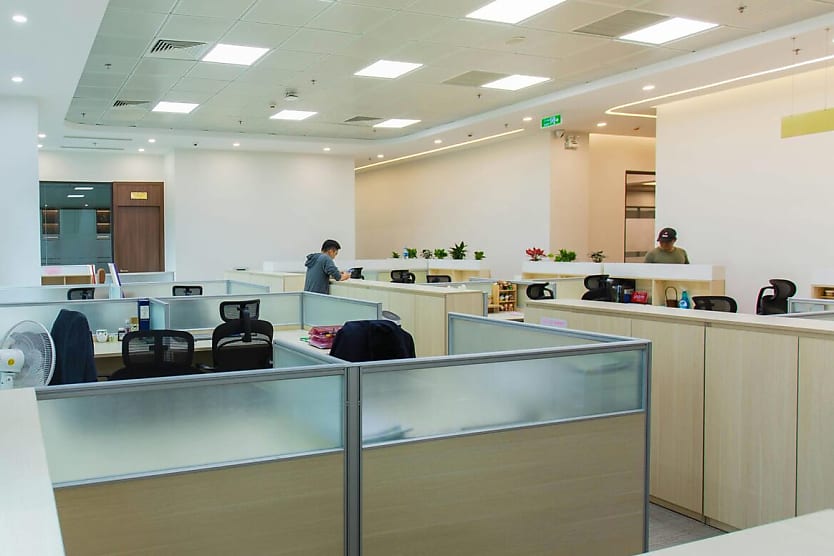
Australian workplaces are continuing to evolve as businesses adapt to changing employee expectations, hybrid work models, and increasing pressure to improve productivity.
While many organisations focus heavily on technology and operational systems, there is growing recognition that the physical workplace itself has a major influence on employee performance, engagement, and business efficiency.
As a result, workplace design is no longer viewed simply as an aesthetic decision. It is increasingly becoming a strategic business priority.
The Workplace Has Changed Significantly
The role of the office has shifted considerably over the past decade.
Traditional workplaces were often designed around fixed structures and uniform layouts. Employees were assigned permanent desks, departments were separated into static zones, and collaboration spaces were limited.
However, modern work patterns are far more dynamic.
Today’s employees regularly move between:
- Focused individual work
- Team collaboration
- Video conferencing
- Informal discussions and problem-solving
This shift has forced businesses to reconsider whether older office environments still support the way teams actually operate.
For many organisations, the answer is increasingly no.
Modern workplaces must now support flexibility, movement, communication, and different styles of working within a single environment.
Why Workplace Design Influences Performance
The design of a workplace affects far more than visual appearance.
It directly influences how employees interact, communicate, and perform throughout the day.
Poorly planned environments can contribute to:
- Reduced concentration
- Communication inefficiencies
- Increased distractions
- Physical discomfort and fatigue
- Workflow interruptions
While these issues may appear minor individually, over time they can significantly affect overall workplace performance.
In contrast, thoughtfully designed environments can help improve:
- Workflow efficiency
- Team collaboration
- Employee wellbeing
- Productivity across departments
This is why more Australian organisations are beginning to view workplace planning as an operational investment rather than a cosmetic upgrade.
Businesses are increasingly recognising that the physical environment can either support productivity—or quietly reduce it.
Employee Expectations Are Continuing to Evolve
Employee expectations surrounding workplace environments have changed substantially in recent years.
Many employees now place greater importance on:
- Comfort and ergonomics
- Flexible working arrangements
- Access to collaborative spaces
- Workplace wellbeing
- Modern and functional environments
Businesses competing for skilled employees are increasingly recognising that workplace quality can influence both attraction and retention.
A modern, well-designed office often communicates:
- professionalism
- organisational stability
- investment in employee wellbeing
These factors contribute to stronger employee satisfaction and workplace culture.
For many organisations, the workplace itself has become part of the employee value proposition.
Supporting Hybrid and Flexible Work Models
Hybrid work has introduced new challenges for workplace planning.
Offices are no longer simply locations where employees sit at assigned desks for eight hours each day. Instead, they are becoming collaborative hubs that support a mix of in-office and remote work.
This requires workplaces to be more adaptable than ever before.
Modern office environments increasingly incorporate:
- Flexible workstations
- Shared collaboration areas
- Multi-purpose meeting rooms
- Quiet focus zones
- Breakout areas for informal interaction
These layouts allow businesses to accommodate changing attendance patterns while still maintaining productivity and team cohesion.
Hybrid work has also increased the importance of ensuring that employees have meaningful reasons to come into the office, such as collaboration, culture-building, and team interaction.
The Importance of Efficient Space Utilisation
Commercial office space represents a major operational cost for many businesses.
As a result, organisations are placing greater emphasis on ensuring that their workplaces are being used efficiently.
Poor space planning can lead to:
- Underutilised areas
- Congested workspaces
- Workflow bottlenecks
- Reduced employee comfort
- Inefficient movement throughout the office
Strategic workplace planning helps businesses maximise the value of their available space while creating more functional environments for employees.
This becomes especially important for growing organisations that need flexibility to scale without repeatedly redesigning their offices.
Efficient use of space can also improve collaboration and reduce operational friction between departments.
Workplace Wellbeing Is Now a Business Consideration
Employee wellbeing is increasingly being linked to workplace performance and retention.
Environmental factors such as:
- lighting
- acoustics
- ergonomics
- air quality
- spatial layout
all influence how employees feel and perform throughout the workday.
Businesses that invest in healthier workplace environments often experience benefits such as:
- improved morale
- reduced absenteeism
- stronger engagement
- higher retention rates
These outcomes contribute directly to long-term organisational performance.
As wellbeing becomes a larger focus for businesses, the role of the workplace in supporting employee health will continue to grow in importance.
Planning Ahead for Future Growth
Forward-thinking organisations are designing workplaces not only for current needs, but also for future growth.
This means creating environments that can adapt as:
- teams expand
- operational structures evolve
- technology changes
- workplace expectations continue shifting
Flexible layouts and scalable planning strategies allow businesses to evolve without requiring constant redesigns or costly disruptions.
For many organisations, this long-term adaptability is becoming one of the most valuable aspects of modern workplace design.
A workspace that supports future growth reduces operational disruption and allows businesses to remain agile in changing market conditions.
The Role of Strategic Fitout Planning
Successful workplace transformations require more than simply selecting furniture or updating finishes.
Effective planning involves understanding:
- workflow patterns
- team interactions
- operational priorities
- future growth objectives
- technology integration requirements
Without proper planning, even visually impressive workplaces can fail to deliver meaningful operational improvements.
Businesses exploring modern workplace upgrades often seek guidance from providers experienced in commercial office fitout services to ensure that design decisions align with broader business goals and operational requirements.
A strategic approach ensures that workplace investments contribute to long-term performance rather than short-term visual impact alone.
Workplace Design as a Competitive Advantage
In increasingly competitive industries, workplace quality can influence both internal performance and external perception.
Clients, employees, and stakeholders all form impressions based on workplace environments.
A modern and well-organised office can reinforce:
- professionalism
- operational capability
- business credibility
- organisational culture
At the same time, employees working within effective environments are more likely to remain engaged and productive.
This combination of operational and cultural benefits is why workplace design is becoming an increasingly important strategic consideration for Australian businesses.
For many organisations, workplace quality is now part of how they differentiate themselves in competitive markets.
Bringing It All Together
The workplace is no longer just a physical location where work happens.
It has become a key factor influencing:
- employee experience
- operational efficiency
- collaboration
- workplace culture
- long-term business performance
Businesses that invest in thoughtful and adaptable workplace environments are positioning themselves more effectively for future growth and organisational stability.
Final Thoughts
As Australian businesses continue adapting to changing ways of working, the importance of workplace design will only continue to increase.
Organisations that treat workplace planning as a strategic investment rather than a short-term expense are likely to gain long-term advantages in productivity, employee engagement, and operational performance.
In many cases, the quality of the workplace itself becomes a direct reflection of how effectively a business is positioned for the future.
 Want to see more stories from trusted news sources?
Make HR Leader a preferred news source on Google.