
‘AI can’t notice when someone’s not themselves’: The leadership skills that won’t go out of fashion
SHARE THIS ARTICLE
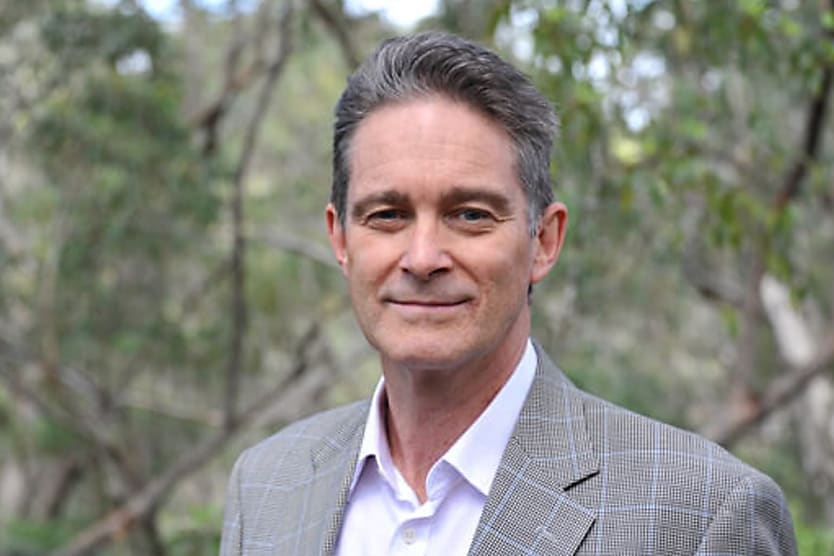
Empathy and self-compassion in leaders have a ripple effect across team productivity and wellbeing, according to one psychological wellbeing expert.
As covered in a recent episode of The HR Leader Podcast, the most effective leaders are the ones who care, not just for their employees’ wellbeing, but also their own.
For Graeme Cowan, founding director of R U OK?, a severe and long period of ill mental health taught him how to develop managers who lead with care.
Cowan said his mother was the one to spark the idea of using his experience to help other people – a need that has only grown over time, given that recent Wiley research showed that 47 per cent of managers are severely stressed each week.
He said: “One in two really shows that this is a really severe problem out there because managers determine 70 per cent of the engagement and wellbeing of their team. It’s contagious – if managers aren’t in a great place, the team isn’t in a great place.”
Cowan explained that employers are facing an extremely difficult management landscape due to AI and its disruption to the workforce, uncertainty from political unrest, and the cost of living, which is an ongoing stressor for many employees.
Managers who are struggling with these challenges are encouraged to focus on what can be controlled. Intention, Cowan noted, is a significant determinant of mood – and one that has the power to radically bolster teams. Similarly, he urged employers not to emanate a sense of all-knowing, but strive to be authentic, recognise their own and human limitations, and acknowledge when times are tough.
“The leader has a tremendous impact on that mood and how people feel in terms of their sense of connection, their sense of belonging, their sense of comfort, being their authentic self,” he said.
“Where people feel safe, they feel they can be themselves.”
As such, it is no surprise that psychological safety is the main determinant of innovative and successful teams. As Cowan explained, safety and a sense of community are generated by actively soliciting ideas, encouraging people to present thoughts for consideration, and overall equal contribution whenever possible.
Reflecting on surveys undertaken around the country as part of R U OK? presentations, Cowan noted that, when asked about the most significant factors for workplace wellbeing, participants cited the human skills of caring about each other, encouraging each other, and having each other’s backs 95 per cent of the time.
Cowan explained that the overwhelming majority is also “iron solid proof that the more people that strongly agree with it, the higher the productivity, the higher the profit, the higher the customer service levels, and the longer people stay with the organisation”.
“Technical skills can be replaced with AI, but AI can’t notice when someone’s not themselves. It can’t involve them in building a compelling future … we really have to double down on things like empathy, care, and support to have teams that are future ready,” he said.
RELATED TERMS
The term "workforce" or "labour force" refers to the group of people who are either employed or unemployed.
 Want to see more stories from trusted news sources?
Make HR Leader a preferred news source on Google.
