
Supporting LGBTQIA+ victim-survivors of domestic violence in the workplace
SHARE THIS ARTICLE
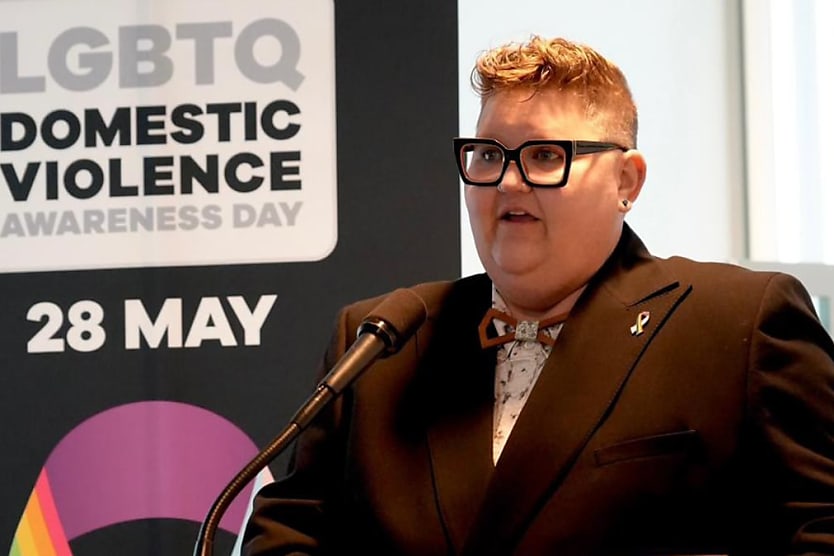
Workplace leaders are being urged to learn the signs of abuse to facilitate safer, more inclusive professional environments in the face of the proliferation of domestic violence perpetrated against LGBTQIA+ individuals.
According to LGBTQ Domestic Violence Awareness Foundation director (deputy chair) Sue Webeck, many community members fear disclosing domestic violence will be met with homophobia, assumptions, and further wellbeing risks.
Webeck said: “Couple this with the fact that in many parts of the world and Australia, LGBTQIA+ community members do not have access to equal rights. It becomes difficult for someone to feel confident in the response they will receive [when] disclosing an experience.”
And while LGBTQIA+ cases of domestic violence are similar to those of heteronormative relationships, the overwhelming majority of programs, national campaigns, and organisational policies often ignore this.
This, Webeck continued, “makes it not only important for specialist services to provide responses which are inclusive of and also specific to LGBTQIA+ communities but that our workplace language supports that too”.
Webeck noted that the use of gendered language in domestic and family violence leave policies, noting that simply changing the use of “women” to “team members” could itself be significantly impactful.
In this way, a major deficiency in current workplace policy is not the existence of the rules and protections themselves, but the identification of who is included. Webeck questioned: “Are we unintentionally excluding equal access to the workplace through the language we have used in our policies, processes, or even the way we communicate in meetings or events?
“It can be as simple as considering what happens for our teams and workplaces when we greet people with ‘Good morning, Ladies and Gentlemen’.”
While acknowledging that “we live in a time when the scope and expanse of our roles and obligations to our colleagues and team members can feel challenging to meet and difficult to prioritise”, Webeck noted that organisations risk missing out on skilled applicants if they can’t see themselves “being not just included but welcomed, safe and respected”.
In this way, corporate allies are also urged to challenge all expressions of homophobia, listen without bias if someone discloses an experience, and educate themselves on the signs of domestic violence.
Webeck said: “Look at the systems and structures that exist right now within your organisation and ask yourself, could an LGBTQIA+ team member see how the systems and structures would respond to them?”
“Leadership isn’t the responsibility of a particular job or tier of hierarchy. Leadership is possible from every position in an organisation and the responsibility of every single one of us.”
In recognition of LGBTQ+ Domestic Violence Awareness Day on 28 May, the foundation brought together policymakers and community leaders to address the gap between awareness and legislative action.
Webeck said: “Being inclusive doesn’t mean being perfect but being willing to learn and putting that learning into action.”
 Want to see more stories from trusted news sources?
Make HR Leader a preferred news source on Google.
