
More than just compliance: Expanding the ‘Big C’ conversation
SHARE THIS ARTICLE
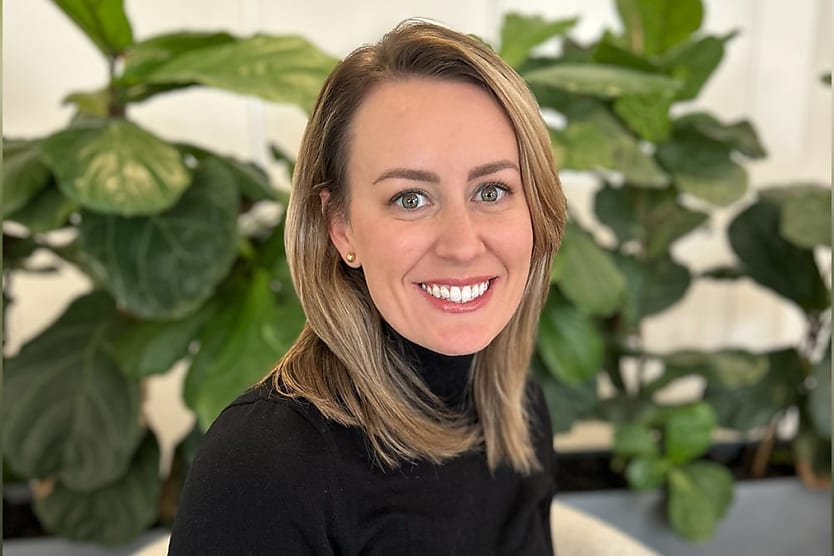
Recent findings from an Australian skin cancer clinic found that nearly one in 10 financial and professional services staff tested positive for skin cancer, with its strategic and commercial advisor stressing the importance of skin checks for wellbeing and safety.
With barriers including time, accessibility, convenience, and cost holding workers back from doing skin checks, organisations are at risk of losing $600 per day for employees taking time off due to skin cancer treatment, skin cancer clinic MoleMap found – four times the cost per skin cancer check for each worker.
One in eight construction workers had an incident of cancer or a precancerous lesion, and between one in 10 and one in 15 finance and professional services workers experienced the same, MoleMap’s data found.
The clinic conducted nearly 50,000 skin checks over the last three years and found that while 40 per cent of respondent organisations assessed skin cancer risks, and 46 per cent commissioned skin checks, one in three organisation board members reported not having a full understanding of the UV risk.
On a recent episode of The HR Leader Podcast, MoleMap strategic and commercial advisor Jaime Schell told the masthead that many of these organisations treated skin checks as a compliance rather than a safety risk.
“Don't think about skin cancer risk and skin check programs as simply an HR initiative. Bring the conversation up and sideways,” Schell said.
“Loop in your safety teams, loop in directors and executives, and talk about the potential liability to directors …. Widen the conversation and then report the impact.”
According to its research, there are more deaths from melanoma in Australia and New Zealand than from road deaths. “When you look at workers in the office, there may not be additional UV exposure from an occupational perspective, but the risk can be quite high amongst the workforce.“
“It's the most commonly diagnosed cancer amongst the working age demographic. And when detected early …. the outcomes are much better. So it's really important to start screening for it early,” she said.
Schell noted the nation’s access problem, with 645 dermatologists to serve nearly 28 million Australians, and no national screening program.
“We have an access problem in Australia …. so getting access to good quality screening is really hard for people.”
She highlighted that employees face barriers to accessing skin check services: a shortage of specialists, lack of time, inconvenience, and affordability.
To solve the accessibility problem, Schell said that organisations can provide tele-dermatology, which allows workers to return to work after their skin check; a full diagnosis will be sent within a week without needing any further action from the employee.
“If detected early, we can cut out days and weeks from treatment and other knock-on effects that would cause more missed work or reduced capacity at work.”
“It is a relevant offering that gets great participation at all levels of the organisation and across all teams and all age demographics …. There are a lot of ways to benefit from these, and there's an opportunity to do a lot of good,” she concluded.
RELATED TERMS
Compliance often refers to a company's and its workers' adherence to corporate rules, laws, and codes of conduct.
 Want to see more stories from trusted news sources?
Make HR Leader a preferred news source on Google.

