Unions fight to lift motor vehicle allowance by at least 10¢
SHARE THIS ARTICLE
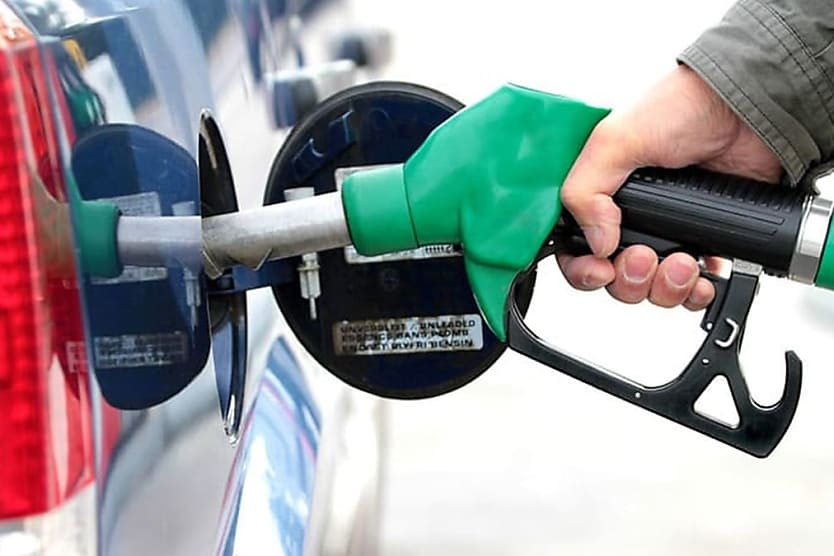
The Fair Work Commission has released a draft order in response to a call by unions to increase motor vehicle allowances to curb rising petrol costs and to increase the frequency of allowance adjustments.
Since the conflict in the Middle East began, fuel prices have risen before falling again due to the halving of the national fuel excise; however, inflation is slated for another six months, Accounting Times reported. Despite this, the Australian Council of Trade Unions (ACTU) noted that average unleaded fuel prices are up by more than 35 per cent compared to pre-conflict averages.
In a bid to alleviate the costs of fuel for workers, on 2 April, Transport Workers’ Union (TWU) and the Australian Road Transport Industrial Organisation (ARTIO) made an emergency application to the Fair Work Commission to raise the motor vehicle allowance rate and expedite rate reviews.
On Tuesday (14 April), the Fair Work Commission released a draft order in response to the application for public consultation and written submissions.
Currently, the vehicle allowance requires employers to pay workers covered by eligible awards an average of 99¢ per kilometre, with 40 per cent of this designated to cover fuel prices – an allowance adjusted by the commission annually on 1 July.
Through the application, the unions are pushing to increase the frequency of allowance adjustments from yearly to monthly and raise the allowance rate by at least 10¢, proportionate to CPI and private vehicle costs.
National Road Freighters Association president Glyn Castanelli said: “This application is urgent to stop widespread business closures, to keep our supply chains running, and to lift the burden of skyrocketing fuel prices from the bottom of the chain to the top.”
Professions that require travel to outer suburban and regional areas are most impacted by fuel prices, such as nurses, aged-care workers, and disability support workers.
Earlier this month, the Health Service Union called for greater fuel support and flexibility to address casual workforce shortages, with 47 per cent of businesses reporting having to review staffing levels and hours, and 29 per cent have reduced hours or income due to the fuel crisis, according to a survey by the Australian Chamber of Commerce and Industry.
The Australian Nursing and Midwifery Federation (ANMF) also filed an application before the commission on Monday (13 April) to vary the Nurses Award 2020 for a period of 12 months and allow the motor vehicle and fuel allowance to be adjusted to no less than 99¢ per kilometre.
ANMF federal secretary Annie Butler said: “This variation to the award is an essential measure to support our members during an unprecedented cost‑of‑living crisis and ensure ongoing care to the community.”
ACTU secretary Sally McManus said: “Australians are paying out of their own pockets just to do their job, and that is not sustainable amid all the other cost-of-living pressures working people are enduring.”
Michael Kaine, national secretary at TWU, said: “We urge these supply chain clients to support this draft order which will be able to flex fuel cost recovery up and down as the situation continues.”
Castanelli said: “Right now, operators are being asked to find a way to pay bills they can’t afford, while still not running a profitable business. That’s a very difficult position to be in, and it’s why this decision is so important.”
The TWU and ARTIO called for the order to be made before the last month’s fuel accounts fall due on 21 April.
Further consultation on the draft order will occur on Thursday (16 April) and Friday (17 April), with written submissions to the consultation closing at 12:00pm (AEST), Friday, 17 April 2026.
 Want to see more stories from trusted news sources?
Make HR Leader a preferred news source on Google.