
Fair workplaces are a direct result of managers’ actions
SHARE THIS ARTICLE
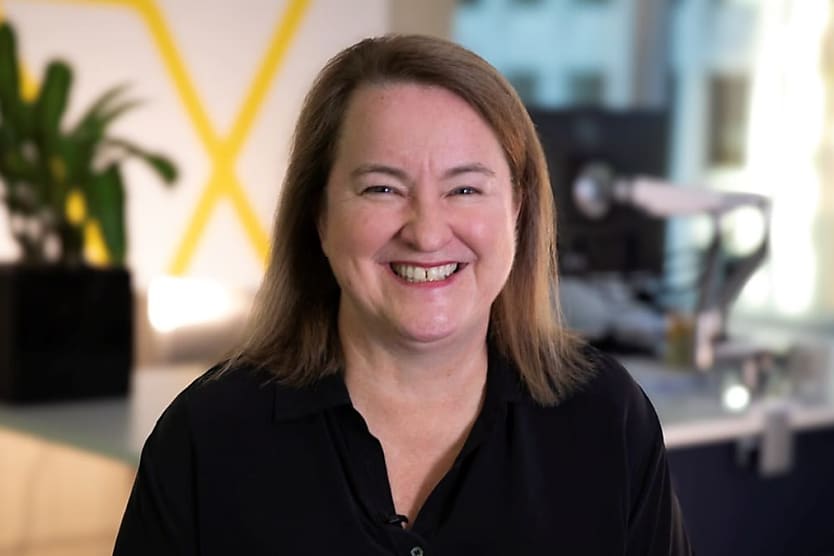
Indulging in a cupcake on International Women’s Day won’t help achieve fairness and equality in the workplace, writes Mary Wooldridge.
If you want something to get your teeth into on International Women’s Day (instead of a cupcake), try the new employer gender pay gaps, 10,500 of which have been published today by the Workplace Gender Equality Agency.
A total of 5.9 million Australians can now access information about their employers that, until recently, was considered confidential. And rightly, they want to know why there are gaps and what the plan is to address them.
The gender pay gap results and profile of workforce composition based on what people earn, published today, hint at a unique story about an employee’s experience of fairness and equality in each workplace. Using the data on WGEA’s website, employees can also see whether an organisation predominantly hires women in the lowest-paid jobs and men in the highest-paid jobs. They can get a sense of whether men or women are taking home more in performance bonuses and overtime. They can see whether managers are promoting more men or women; whether men have equal access to parental leave and if they are taking it, and whether leaders are taking action to prevent and respond to sexual harassment. This information is important because the results all affect the size of an employer’s gender pay gap – a proxy measure for equality at work.
With the third annual publication of gender pay gaps, it’s clear many employers are making progress. Nearly 2,000 employers have a gender pay gap close to 0 per cent, and this number is growing. Many are doing the hard work of analysis, drawing on evidence of what works and planning action to ensure they’re heading in the right direction. Importantly, they are asking employees for input throughout the process.
For others, today’s results should serve as a call to action. If you are an executive at a workplace where the gender pay gap is substantially in favour of men (or women), you need to understand how managers hire, promote and retain staff to see if men and women experience that equally. Know that excuses no longer provide the coverage they did before this new-found transparency. For every employer that says they can’t fix the gap for one reason, there is another employer who has already solved that issue. And that information is available for everyone to see.
Most employees want a fair and equal opportunity to use their skills and capabilities, hold well-paying jobs, to feel safe at work and have some flexibility to manage other responsibilities, such as caring, outside of work. Indulging in a cupcake on International Women’s Day won’t help achieve this. But identifying where inequality happens and ensuring managers can – and do – take action to address the causes will.
Mary Wooldridge is the chief executive of the Workplace Gender Equality Agency.
RELATED TERMS
The term "gender pay gap" refers to the customarily higher average incomes and salaries that men receive over women.
 Want to see more stories from trusted news sources?
Make HR Leader a preferred news source on Google.
