
Qantas engineers strike for the first time in 16 years
SHARE THIS ARTICLE
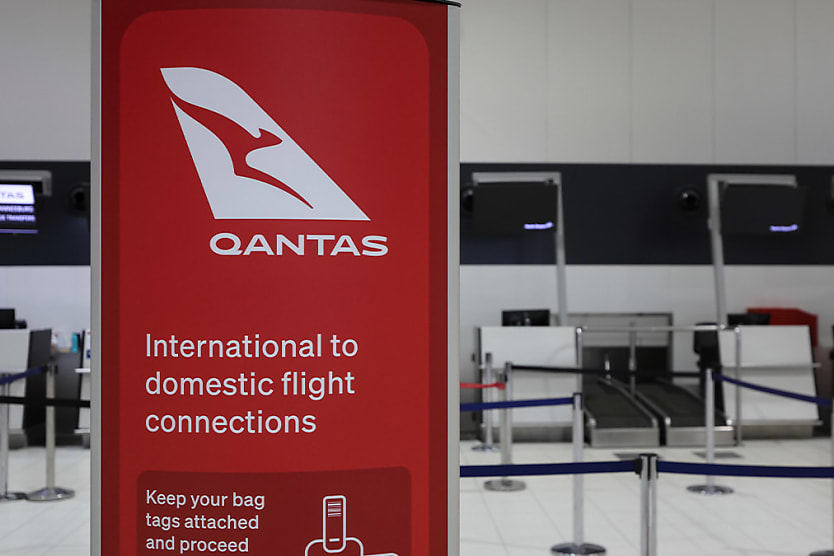
More than 100 Qantas engineers yesterday opted to enact a two-hour total work ban and protest, amid ongoing disagreements on pay and work conditions.
Editor’s note: This story first appeared on HR Leader’s sister brand, Australian Aviation.
Yesterday (Monday, 12 October) marked the first time the engineer cohort, based at the airline’s headquarters in Mascot and represented by the trade union Professionals Australia, has moved for protected industrial action in 16 years.
The union confirmed that between 10am and 12pm on Monday, no engineering work will be conducted on Qantas’ long-haul aircraft, including the Boeing 787 Dreamliner and Airbus A380 fleets.
“If any of these planes are in maintenance at the time that bans start, they will not be getting flown while bans continue,” said Jonathan Farry, lead organiser of Professionals Australia.
Following an earlier vote to undertake protected action, engineers have been performing partial work stoppages for several weeks.
Union members decided to escalate the matter late on Friday evening, after Qantas failed to improve on its latest wage offer. Negotiations have been ongoing for over a year.
A Qantas spokesman said Monday’s action would have “no impact” on the airline’s usual operations.
“We’re committed to reaching an agreement that includes pay rises while ensuring we have a sustainable business,” they said.
Professionals Australia said union members would vote again this week to enact further action that could impact Qantas’ ambitious ultra-long-haul initiative Project Sunrise.
According to the union, engineers are seeking a pay increase of 13 per cent in the first year to account for previous wage freezes and several years of “below CPI increases”. Qantas has countered with a 3 per cent increase annually.
“If Qantas don’t value their qualified engineers, they may lose them,” Farry said. “We’re talking about the people that make sure when we all fly, we get where we’re going, and we get there safely.”
“Engineers’ wages at Qantas have fallen too far behind, and it’s time for Qantas to do the right thing for the future of the company, the engineers that are building that future and the investors that want to see Qantas succeed.”
Protected action in this case has been ongoing since August, when union members unanimously voted to lodge the ballot with the Fair Work Commission (FWC) as they seek a “reasonable pay offer”.
“The work of these professional engineers is fundamental to the operation of the airline,” the union said in a statement at that time.
“They develop and maintain engineering systems across the Qantas fleet, undertake compliance work, support the introduction, modification and repair of aircraft and provide critical engineering authorisations and airworthiness sign-offs.”
Meanwhile, airport workers and ground crew across both the Qantas Group and Virgin Australia have also recently opted to escalate towards protected actions, as negotiations with the airlines break down.
Last week, the FWC granted ground staff, airport workers and customer service operators employed by Virgin the right to vote to undertake protected industrial action, such as work stoppages or strike action.
According to the Australian Services Union (ASU), the Virgin staff it represents will lodge their vote this week, as Virgin’s latest enterprise agreement proposal fell “well short” of member expectations.
One week prior, ASU members working for Jetstar at major airports voted to stop carrying out “a range of non-essential duties”, including routine passenger announcements and calls, and disruption and cancellation of management tasks.
Jetstar ground staff also continued earlier protected actions such as zeroing out some sales-related fees, including excess baggage charges, late charges and seat changes. One-hour work stoppages are also planned, according to the union.
“Our members don’t want to take action, but they’re left with no other choice,” said ASU assistant national secretary Scott Cowen, of the Jetstar action. “They’re taking action because during a cost-of-living crisis, during extreme weather conditions, the airline has failed to support workers with extra weather protections or a pay offer that responds to this crisis properly.”
 Want to see more stories from trusted news sources?
Make HR Leader a preferred news source on Google.
